
Best Waterproof Cases for Outdoor Smartphone Use in 2026
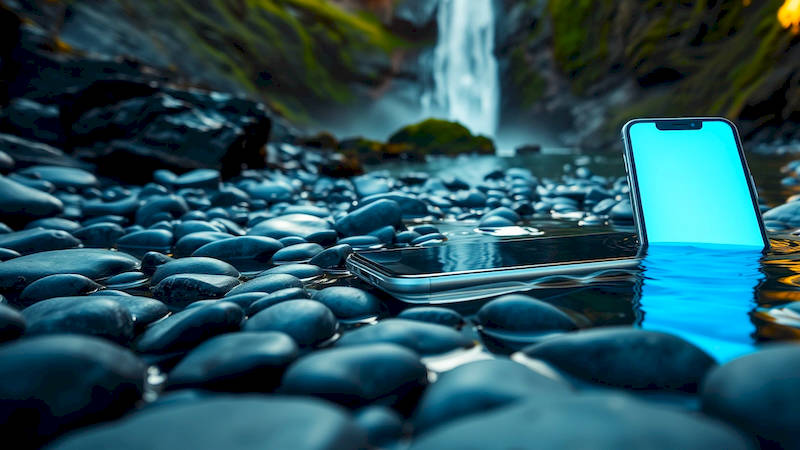
The increasing demands of modern life mean our smartphones are more than just communication devices – they’re navigation tools, cameras, entertainment centers, and even essential safety devices, especially when venturing outdoors. This reliance, however, exposes them to the elements, and accidental water damage remains a leading cause of smartphone failure. In 2026, with the continued trend towards more active lifestyles and increasingly sophisticated mobile technology, the need for reliable waterproof protection is paramount. This article provides a comprehensive guide to the best waterproof cases available, considering the evolving demands of outdoor enthusiasts, the improvements in case technology, and compatibility with the latest smartphone models. We'll move beyond simple 'water resistance' and focus on truly waterproof solutions designed to withstand immersion and harsh conditions.
Smartphone manufacturers are enhancing water resistance, but it’s crucial to understand the difference between that and complete waterproofing. Often, 'water resistance' implies protection against splashes or brief submersion to a limited depth. A truly waterproof case offers substantially greater protection, safeguarding your device during activities like kayaking, hiking in rainstorms, or even accidental drops in rivers. The market is rapidly evolving, with cases now incorporating features like improved sealing technologies, impact resistance, and enhanced clarity for camera use. Looking ahead to 2026, we're seeing a shift towards more sustainable materials and modular designs in these accessories.
- Understanding Waterproof Ratings and Standards
- Leading Waterproof Case Manufacturers in 2026
- Material Science and Case Construction: Advancements in 2026
- Evaluating Camera Performance and Usability with Waterproof Cases
- Compatibility and Fit: Ensuring a Secure Seal
- Testing Your Waterproof Case: A Step-by-Step Guide
- Conclusion: Protecting Your Investment in 2026 and Beyond
Understanding Waterproof Ratings and Standards
Waterproofing isn't a simple "yes" or "no." It's quantified using IP (Ingress Protection) ratings. The first digit after "IP" indicates protection against solid objects (dust, debris), while the second digit signifies protection against liquids. For waterproof cases, you’ll primarily be concerned with the second digit. An IP67 rating means the case is dust-tight and can withstand immersion in water up to 1 meter for 30 minutes. A higher IP68 rating indicates protection against dust and immersion in water deeper than 1 meter (often specified by the manufacturer) for a sustained period. Cases with IP69K offer the highest level of protection - resistance to close-jet water spraying. However, it is vital to understand that these ratings apply to the case itself, not necessarily the smartphone within.
It’s important to note that even with an IP68 rated case, maintaining the seal is critical. Regularly inspect the case for wear and tear – especially around seals and closures. Furthermore, the tests used to determine IP ratings are conducted in controlled laboratory environments. Real-world conditions, like saltwater or chlorinated water, can potentially degrade the case's performance over time. Many manufacturers now offer extended warranties specifically covering water damage when using their cases correctly. Consumer Reports consistently highlights the importance of verifying the manufacturer’s specific claims and reading user reviews regarding real-world performance, as observed testing often deviates from lab conditions.
Finally, don't assume that an IP rating guarantees protection against all liquids. Certain chemicals or highly pressurized water jets may still compromise the seal.
Leading Waterproof Case Manufacturers in 2026
The waterproof case market is dominated by a handful of key players, each innovating in different ways. Lifeproof continues to be a staple, renowned for its durable designs and comprehensive protection, but facing increased competition from brands like Catalyst, OtterBox (with its expanded waterproof line), and newer entrants focusing on eco-friendly materials. Catalyst distinguishes itself with exceptionally clear cases, minimizing camera distortion, and prioritizing sleek aesthetics. OtterBox now offers fully waterproof options alongside its typical ruggedized cases, appealing to various user preferences.
Several smaller, specialized companies are also gaining traction by focusing on niche markets, like underwater photography or specific smartphone models. These companies often lead in innovation, utilizing advanced sealing technologies and unique materials. For instance, AquaTech, traditionally focused on underwater housings for professional cameras, has expanded into high-end waterproof smartphone cases. One trend we're seeing is a rise in modular systems where different components can be swapped out to adapt the case to various activities. "As consumers demand greater versatility, case manufacturers are responding with more customizable solutions,” explains tech analyst Sarah Chen of Mobile Insights Weekly. It's essential to compare models based on individual needs and the specific smartphone being protected.
Material Science and Case Construction: Advancements in 2026
The core of a waterproof case lies in its materials and construction. Polycarbonate remains a popular choice for the rigid frame, offering a good balance of impact resistance and weight. However, manufacturers are increasingly incorporating more advanced polymers, like TPUs (Thermoplastic Polyurethanes) for enhanced flexibility and shock absorption. A key innovation in 2026 is the use of bio-based polymers – derived from renewable resources – in both the case body and seals. This addresses growing consumer demand for sustainable products.
Sealing technology has also progressed significantly. Traditionally, waterproof cases relied heavily on rubber gaskets and O-rings. While still essential, cases now incorporate multi-layered sealing systems with interlocking designs, creating a more watertight barrier. Some manufacturers are exploring the use of self-healing polymers for seals, which can automatically repair minor damage. Other notable advancements include improved pressure equalization membranes which allow for volume changes in the case due to temperature and altitude variations, preventing pressure build-up that could compromise the seal. The quality of the closure mechanism – whether a snap-lock, screw-lock, or magnetic seal – is also vitally important.
Evaluating Camera Performance and Usability with Waterproof Cases
One of the biggest complaints about waterproof cases historically has been the degradation of camera quality. The added layer of plastic inevitably introduces distortion, reduces clarity, and affects color accuracy. However, case manufacturers have made substantial strides in this area. High-quality optical grade acrylic or polycarbonate lenses are now integrated into many cases, minimizing distortion and maximizing light transmission. Catalyst stands out in this regard, consistently receiving high marks for camera clarity.
Beyond lens quality, the design of the camera cutout is crucial. A larger cutout, while reducing distortion, may increase the risk of water ingress. Manufacturers are employing sophisticated simulations to optimize cutout shapes and positions, balancing clarity with protection. Usability is another important factor. Consider how easily the case allows access to buttons, ports, and the touchscreen. Some cases offer complete touchscreen functionality, while others require a slightly firmer touch. Ensure the case doesn’t interfere with wireless charging. Regularly testing features like the camera and touch sensitivity before relying on the case in a critical situation is advised.
Compatibility and Fit: Ensuring a Secure Seal
A perfect fit is paramount. A loose-fitting case will compromise the waterproof seal, regardless of its IP rating. Manufacturers generally tailor cases to specific smartphone models, ensuring a snug and secure fit. However, minor variations can still occur, even within the same model line. It’s crucial to double-check compatibility before purchasing, paying attention to the specific version of your smartphone.
The rise of foldable phones has presented new challenges for waterproof case manufacturers. Designing a waterproof case for a device with a moving hinge requires innovative engineering to maintain a secure seal throughout the folding process. While options for foldable phones are currently limited, several companies are actively developing solutions. User reviews specific to your phone model are essential to determine a reliable fit. Furthermore, many cases now allow for the addition of grips or lanyards, enhancing security and preventing accidental drops when near water.
Testing Your Waterproof Case: A Step-by-Step Guide
Before trusting your smartphone to a waterproof case in a demanding environment, thorough testing is essential. Never test with your actual smartphone initially. Use a piece of paper towel or a similar absorbent material inside the case to simulate your phone. First, visually inspect the case for any damage or defects. Check the seals and closures to ensure they are clean and functioning correctly.
Next, submerge the case (with the test material inside) in water at a depth corresponding to the case’s IP rating. Leave it submerged for the specified duration (e.g., 30 minutes for IP67). After removing the case, carefully inspect the test material for any signs of moisture. If there’s any dampness, the seal has been compromised, and the case should not be used. Repeat this test several times to confirm its reliability. Additionally, pressure-test the case by squeezing it while submerged to ensure no air bubbles escape.
Conclusion: Protecting Your Investment in 2026 and Beyond
The best waterproof cases for outdoor smartphone use in 2026 offer a compelling blend of robust protection, advanced materials, and thoughtful design. Choosing the right case requires careful consideration of your specific needs, activity level, and smartphone model. Don’t solely rely on IP ratings – scrutinize manufacturer claims, read user reviews, and conduct thorough testing. The increasing focus on sustainability, modularity, and improved camera clarity represents a positive trend in the market, providing consumers with more versatile and reliable options.
Key takeaways: prioritize a snug fit, understand the limitations of IP ratings, regularly inspect the case for wear and tear, and always test before relying on it in a critical situation. Investing in a high-quality waterproof case is an investment in protecting your increasingly valuable smartphone—and the peace of mind it provides when exploring the great outdoors. As technology continues to evolve, the demand for innovative and reliable waterproof solutions will only grow, ensuring our connected lifestyles aren’t limited by the fear of water damage.
Deja una respuesta