
Affordable Phones with Large Displays: Best Choices for Media Consumption
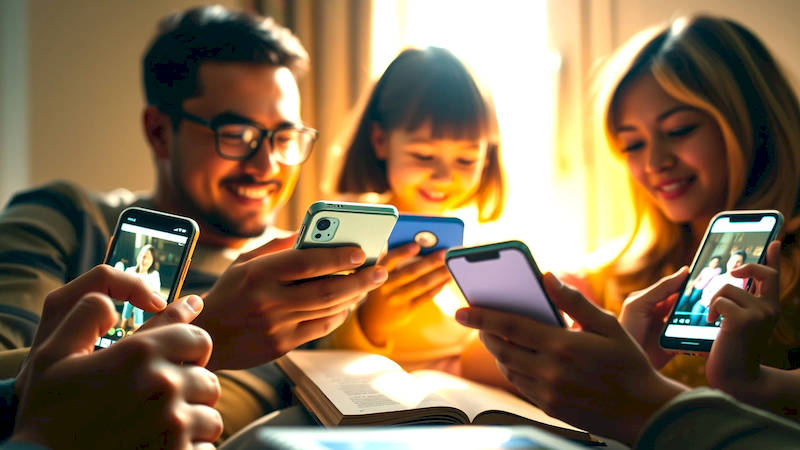
The demand for mobile media consumption is skyrocketing. From streaming video and gaming to browsing social media and reading ebooks, our smartphones are now our primary entertainment hubs. However, a stunning visual experience often feels tied to flagship devices carrying hefty price tags. Thankfully, this isn’t necessarily the case. The affordable smartphone market has evolved rapidly, and consumers no longer need to break the bank to enjoy a large, immersive display. This article dives deep into the best affordable phones with large displays, providing a comprehensive guide for those prioritizing media consumption without sacrificing their budget.
For many, a large screen isn’t just a convenience; it's a necessity. Smaller displays can strain eyes during prolonged use, particularly for visually intensive activities. They also detract from the enjoyment of movies, games, and even simple tasks like reading. While screen quality – resolution, color accuracy, and brightness – are important, size remains a key factor for a truly immersive experience. We’ll explore the specific characteristics to look for, the models currently leading the pack, and the trade-offs you can expect at different price points.
Recent reports indicate a strong consumer preference for larger screens even within the budget segment. According to Statista, “The average smartphone screen size globally grew to 6.68 inches in 2023,” and the trend continues towards even larger sizes. This demand is driving manufacturers to prioritize display size even in their more affordable offerings. This article will focus on phones generally under $400, providing practical recommendations and detailed analysis to help you make the best choice.
- Understanding Key Display Specs for Media Consumption
- Top Contenders: Affordable Phones with Immersive Displays (Under 0)
- Stepping Up: Affordable Phones with Premium Features (0 - 0)
- The Importance of Audio: Complementing the Visual Experience
- Optimizing Your Phone for Media Consumption: Software Tips & Tricks
- Counterarguments and Alternatives: What About Tablets?
- Conclusion: Immersive Entertainment Doesn't Require a Premium Price Tag
Understanding Key Display Specs for Media Consumption
When evaluating an affordable phone for media consumption, simply looking at screen size isn't enough. Several key specifications impact the overall viewing experience and should be carefully considered. Resolution, panel type, aspect ratio, and refresh rate all play crucial roles. Understanding these can prevent buyer's remorse and ensure you select a device that delivers the immersive quality you desire.
Firstly, resolution dictates the sharpness and clarity of the image. While 1080p (Full HD+) is standard for many affordable phones, a higher resolution like QHD+ (though rarer at this price point) provides a significantly sharper and more detailed image, especially on larger displays. Then, panel type impacts color accuracy, contrast, and viewing angles. IPS LCD panels are common in affordable phones and offer good color reproduction and wide viewing angles, but OLED/AMOLED displays – found in some higher-end budget models – provide superior contrast, deeper blacks, and more vibrant colors. Finally, consider the aspect ratio - a taller aspect ratio (like 20:9 or 21:9) tends to be better suited for video playback and offers more screen real estate for multitasking.
Importantly, don’t underestimate the importance of the refresh rate. Traditionally, most phones operated at 60Hz, meaning the screen refreshed 60 times per second. A higher refresh rate (90Hz or 120Hz) results in smoother animations, scrolling, and gaming, delivering a more fluid and responsive experience. While 120Hz is less common in this price range, 90Hz is becoming increasingly prevalent and offers a noticeable improvement over 60Hz, especially during fast-paced action sequences or gaming. Pay attention to these details, as they contribute significantly to the subjective quality of your media consumption.
Top Contenders: Affordable Phones with Immersive Displays (Under $300)
The sub-$300 market segment is fiercely competitive, but several phones consistently rise to the top for media consumption. Among them, the Motorola Moto G Power (2023) stands out. It packs a massive 6.7-inch 90Hz display that’s ideal for extended viewing sessions, coupled with impressive battery life capable of lasting well over a day even with heavy usage. While the camera isn't flagship-level, the display quality makes it a strong contender for binge-watching and casual gaming.
Another standout is the Samsung Galaxy A14 5G. While not matching the Moto G Power in refresh rate, its 6.6-inch PLS LCD display offers good color accuracy and brightness, especially for outdoor viewing. Samsung's software support is also a major advantage, providing regular security updates and a relatively clean user experience. These phones offer a solid balance between screen size, performance, and price. The Xiaomi Redmi Note 12 also deserves consideration, boasting a vibrant 6.67-inch AMOLED display (in some variants) and capable performance for the price.
However, it’s crucial to understand the trade-offs. Phones in this price range often utilize plastic builds, lack advanced features like wireless charging, and may have less powerful processors. Be realistic about your needs and prioritize display quality and battery life if those are your primary concerns. Consider researching specific user reviews focusing on the display performance before making a purchase.
Stepping Up: Affordable Phones with Premium Features ($300 - $400)
Venturing into the $300-$400 price range unlocks access to phones with more refined displays and enhanced features. The Google Pixel 6a frequently appears on "best of" lists for its exceptional camera, but also boasts a 6.1-inch OLED display with excellent color accuracy and brightness for its size. While slightly smaller than other contenders, the display quality makes it a strong contender for media consumption.
The OnePlus Nord N30 5G provides another compelling option. It features a large 6.72-inch 120Hz AMOLED display with vibrant colors and smooth scrolling, making it perfect for gaming and video playback. The phone also supports fast charging, minimizing downtime and maximizing viewing time. Furthermore, the Realme GT Master Edition, equipped with a Super AMOLED display, stands out for its vibrant colors and high contrast.
These phones often incorporate more premium materials, faster processors, and improved camera systems, offering a more well-rounded experience. They strike a balance between affordability and performance, catering to users who want a high-quality display without breaking the bank. It’s important to compare specs and read reviews to identify the model best aligned with your specific needs.
The Importance of Audio: Complementing the Visual Experience
A stunning display is only half the battle. High-quality audio is equally crucial for an immersive media consumption experience. Many affordable phones feature relatively weak speakers, forcing users to rely on headphones or external speakers. Look for phones with stereo speakers, which provide a wider soundstage and more immersive audio.
Even more important is the presence of a 3.5mm headphone jack. While increasingly rare on modern smartphones, it offers a convenient and reliable way to connect your favorite headphones without needing an adapter. Bluetooth codec support is another factor. Support for codecs like aptX and LDAC allow for higher-quality audio streaming over Bluetooth, providing a noticeable improvement over the standard SBC codec.
Consider investing in a good pair of headphones or a portable Bluetooth speaker to complement your affordable phone. Even a relatively inexpensive pair of headphones can dramatically enhance the audio quality and improve your overall media consumption experience. Don’t overlook the importance of sound – it's a critical component of immersion.
Optimizing Your Phone for Media Consumption: Software Tips & Tricks
Beyond the hardware, optimizing your phone’s software settings can further enhance the media consumption experience. Adjust display settings to maximize brightness and color accuracy. Explore the phone’s color profiles and choose the one that best suits your preferences. Many phones offer modes specifically designed for video playback, which optimize the display for dynamic range and contrast.
Disable unnecessary background apps and notifications to reduce distractions and improve performance. Utilize Do Not Disturb mode during movie nights or gaming sessions. Also, explore dedicated video player apps that offer advanced features like subtitle support, playback speed control, and equalizer settings. Apps like VLC Media Player are excellent choices for playing a wide range of video formats.
Finally, remember to keep your phone's software up to date. Software updates often include performance improvements and bug fixes that can enhance the overall user experience. Regularly updating your phone ensures you are getting the most out of its hardware and software capabilities.
Counterarguments and Alternatives: What About Tablets?
While affordable phones with large displays are a viable option for media consumption, it’s important to acknowledge potential alternatives. Tablets, even inexpensive models, generally offer larger screens and better audio quality than similarly priced smartphones. However, they lack the portability and cellular connectivity of smartphones.
Another consideration is refurbished flagship phones. You may be able to find a used or refurbished flagship phone with a superior display and performance for a price comparable to a new affordable phone. However, be cautious when purchasing refurbished devices and ensure they come with a warranty. Ultimately, the best choice depends on your individual needs and priorities. If portability and cellular connectivity are essential, an affordable phone with a large display is an excellent choice. If you primarily consume media at home and prioritize screen size and audio quality, a tablet may be a better option.
Conclusion: Immersive Entertainment Doesn't Require a Premium Price Tag
Choosing an affordable phone with a large display for media consumption requires careful consideration of several factors, from screen size and resolution to panel type and refresh rate. The market has matured significantly, offering compelling options under $400 that deliver immersive viewing experiences without compromising on budget. Models like the Motorola Moto G Power (2023), Samsung Galaxy A14 5G, and OnePlus Nord N30 5G stand out as strong contenders in their respective price brackets.
Remember to prioritize your needs and select a phone that aligns with your specific preferences. Beyond the hardware, optimizing software settings and investing in quality audio accessories can further enhance your media consumption experience. Don’t overlook the importance of audio, battery life, and software support. Ultimately, enjoying your favorite movies, games, and content on the go doesn't require a flagship device. By doing your research and making informed choices, you can unlock a world of immersive entertainment without breaking the bank. The key takeaways are: prioritize display specs (size, resolution, panel type, refresh rate), consider audio quality (stereo speakers, headphone jack, Bluetooth codecs), and optimize software settings for the best possible experience.
Deja una respuesta