
Top Wearable Gadgets for Diabetes Management and Blood Sugar Tracking
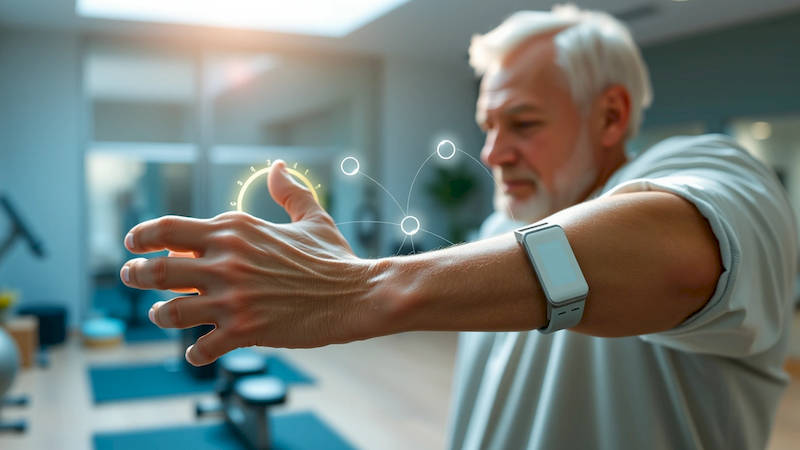
Diabetes is a global health concern, impacting hundreds of millions worldwide. Effective management relies heavily on consistent monitoring of blood glucose levels, and in recent years, wearable technology has emerged as a powerful tool to aid this process. Beyond simply measuring blood sugar, these gadgets offer data-driven insights, trend analysis, and features to improve lifestyle choices and overall diabetes care. This article dives deep into the top wearable gadgets available for diabetes management and blood sugar tracking, exploring their functionalities, benefits, and limitations, and providing actionable advice for implementation. The landscape is continually evolving, making this a crucial area to stay informed about for both individuals managing diabetes and healthcare professionals.
Continuous Glucose Monitors (CGMs): The Gold Standard
Continuous Glucose Monitors (CGMs) represent the most significant advancement in wearable diabetes technology. Unlike traditional finger-prick blood glucose meters, CGMs measure glucose levels in the interstitial fluid – the fluid between cells – providing real-time readings every few minutes. This continuous data stream offers a much more complete picture of glucose fluctuations throughout the day and night, beyond what sporadic finger-prick tests can reveal. Leading brands include Dexcom, Abbott (FreeStyle Libre), and Medtronic.
The benefits of CGMs are numerous. They can alert users to impending highs or lows (hypoglycemia and hyperglycemia), allowing for proactive interventions to prevent dangerous situations. The data collected can also be analyzed to identify patterns related to meals, exercise, stress, and medication, enabling personalized diabetes management plans. Further, the trend arrows on many CGMs show the direction and speed of glucose changes, which is invaluable in predicting future levels. Data sharing capabilities are also common, allowing caregivers and healthcare providers to remotely monitor glucose levels and offer guidance as needed.
However, CGMs aren't without limitations. They require initial calibration with a finger-prick blood glucose test, and the sensor needs to be replaced every 7-14 days. There can also be a slight lag time between glucose levels in the interstitial fluid and in the bloodstream. Accuracy can be affected by factors like hydration levels, sensor placement, and individual body chemistry. Despite these challenges, the overall benefits of CGMs greatly outweigh the drawbacks for most people with diabetes, particularly those with type 1 diabetes or those on intensive insulin therapy.
Smartwatches with Glucose Monitoring Capabilities
While CGMs remain the primary device for continuous tracking, increasingly, smartwatches are integrating glucose monitoring features. Apple, Samsung, and others are heavily investing in non-invasive glucose sensing technology, though currently, most implementations rely on partnering with CGM manufacturers. Devices like the Samsung Galaxy Watch and certain Apple Watch models can display CGM data directly on the watch face, as well as deliver alerts and insights. This allows for discreet and convenient monitoring without needing to access a separate receiver or smartphone.
The appeal of smartwatches extends beyond glucose readings. They offer a wide range of health and fitness tracking features, including heart rate monitoring, activity tracking, sleep analysis, and fall detection. For individuals with diabetes, this holistic view of health can be valuable. These devices can also integrate with other health apps and platforms, streamlining data management and facilitating communication with healthcare providers. Crucially, smartwatches champion proactive health management—motivating wearers to engage in healthier lifestyle choices through personalized notifications and activity goals.
It is important to note that current smartwatch glucose monitoring functionality primarily displays data from a paired CGM, rather than directly measuring glucose levels itself. True non-invasive glucose monitoring from a smartwatch remains an area of active research and development, with breakthroughs anticipated in the coming years. Therefore, while extremely useful for those already using a CGM, a smartwatch isn’t a standalone glucose-monitoring solution for most at present.
Fitness Trackers with Integrated Health Features
Beyond dedicated diabetes gadgets, many mainstream fitness trackers offer features that indirectly support diabetes management. Devices from Fitbit, Garmin, and Xiaomi often include activity tracking, heart rate monitoring, and sleep analysis. Consistent physical activity is crucial for improving insulin sensitivity and controlling blood glucose levels, making activity tracking a valuable tool for individuals with diabetes. Heart rate monitoring can also provide insights into the body’s response to exercise and stress, both of which can impact blood sugar.
Furthermore, advanced fitness trackers sometimes offer features like stress tracking and guided breathing exercises. Chronic stress can significantly elevate blood glucose levels, so managing stress is an important aspect of diabetes care. The data collected by these trackers can help identify patterns between stress levels and blood sugar fluctuations, empowering users to implement coping mechanisms. Notably, Garmin, in particular, has integrated features focused on understanding the body's stress response through HRV (Heart Rate Variability) analysis, which can be tied to better self-management.
However, fitness trackers do not directly measure blood glucose levels. They serve as supportive tools, providing valuable data but requiring users to actively incorporate this information into their overall diabetes management plan. Combining activity tracking data with regular blood glucose monitoring (via finger-prick tests or a CGM) provides the most comprehensive picture.
Smart Insulin Pens and Connected Apps
The technology isn’t limited to glucose monitoring. Smart insulin pens, like those from Insulet (SoloStar) and Companion Medical, are revolutionizing insulin delivery. These pens connect to mobile apps via Bluetooth, automatically logging each insulin dose, including time, amount, and type. This eliminates manual record-keeping and reduces the risk of errors. The app can also calculate suggested insulin doses based on blood glucose readings, carbohydrate intake, and activity levels.
The integration with connected apps allows for comprehensive data analysis, identifying patterns in insulin usage and its impact on blood glucose control. Healthcare providers can remotely access this data, providing more informed guidance and adjusting treatment plans as needed. This functionality is particularly beneficial for individuals on multiple daily injections, as it simplifies dosage tracking and helps optimize insulin therapy. For instance, Novo Nordisk’s InPen app proactively shows predicted blood glucose ranges based on entered data.
While highly effective, smart insulin pens require a prescription and can be more expensive than traditional pens. Furthermore, the accuracy of the dose calculations relies on the user accurately inputting data about their meals and activity. Despite this, the benefits of improved record-keeping, automated dosage tracking, and data-driven insights make these pens an invaluable tool for many individuals with diabetes.
The Role of AI and Machine Learning
Artificial Intelligence (AI) and Machine Learning (ML) are increasingly being integrated into wearable diabetes technology to personalize treatment plans and improve outcomes. Sophisticated algorithms can analyze vast datasets of glucose readings, insulin dosages, food intake, and activity levels to predict future glucose fluctuations and provide personalized recommendations. Companies like Tidepool and Diabeloop are at the forefront of developing AI-powered diabetes management systems.
These systems can identify individual patterns and sensitivities that might not be apparent through traditional methods, leading to more precise insulin adjustments and proactive interventions. For example, an AI algorithm might learn that a particular individual’s blood glucose levels consistently spike after consuming a specific type of carbohydrate, providing insight that allows for dietary adjustments. AI can also be used to automate insulin delivery via closed-loop systems (artificial pancreas), where the algorithm continuously adjusts insulin dosage based on real-time glucose readings.
While promising, AI-driven diabetes management is still in its early stages. The accuracy and reliability of these systems depend on the quality and quantity of data available, and careful validation is essential. Ethical considerations around data privacy and algorithmic bias also need to be addressed. However, the potential of AI to revolutionize diabetes care is undeniable, and we can expect to see increasingly sophisticated AI-powered devices and systems in the years to come.
Conclusion: Embracing a Data-Driven Future for Diabetes Management
Wearable technology has dramatically changed the landscape of diabetes management. From the gold standard of CGMs providing continuous glucose monitoring to the supportive features available in smartwatches and fitness trackers, individuals now have more tools than ever to proactively manage their condition. The integration of smart insulin pens and the emergence of AI-powered systems promise even greater personalization and automation in the future.
The key takeaway is that these devices are not a replacement for conventional diabetes care; instead, they are powerful supplements. Regular check-ups with healthcare professionals, a healthy diet, and consistent exercise remain essential. However, the data-driven insights provided by wearable technology can empower individuals to make more informed decisions, optimize their treatment plans, and ultimately, lead healthier lives. For individuals newly diagnosed or seeking to improve their control, exploring these options with your healthcare provider is a crucial next step, ensuring proper training and integration with your overall care plan. The future of diabetes management is undoubtedly intertwined with continuous innovation in wearable technology, offering hope for a more manageable and fulfilling life for millions.
Deja una respuesta