
Tech-Driven Hydration Reminders: Gadgets That Help You Drink More Water
Staying adequately hydrated is foundational for good health, influencing everything from energy levels and cognitive function to physical performance and long-term disease prevention. Despite knowing this, many individuals consistently fall short of the recommended daily water intake. In a fast-paced modern lifestyle, it’s easy to forget to drink, or to simply prioritize other tasks. Fortunately, technology offers a growing arsenal of solutions to help us develop better hydration habits. This article delves into the world of tech-driven hydration reminders, exploring the various gadgets available, how they work, their pros and cons, and how to choose the right one for your individual needs. We’ll move beyond simple app-based alerts to examine smart water bottles, wearable trackers, and innovative solutions designed to make hydration effortless and even enjoyable.
The importance of hydration extends far beyond simply quenching thirst. Studies show that even mild dehydration – as little as 1-2% fluid loss – can impair cognitive performance, mood, and physical endurance. Chronic dehydration is linked to increased risk of kidney stones, urinary tract infections, and even cardiovascular problems. Recognizing this, a market has emerged capitalizing on our need for effective, accessible reminders. From elegantly designed smart bottles to sophisticated integrations with fitness trackers, these gadgets aim to subtly nudge us towards better fluid intake, ultimately contributing to improved overall well-being. The goal isn’t just tracking; it’s behavioral change fueled by data and clever design.
- Smart Water Bottles: Beyond Just Holding Liquid
- Wearable Fitness Trackers with Hydration Tracking
- App-Based Hydration Reminders: A Simple and Affordable Starting Point
- The Rise of UV Sanitizing Hydration Bottles
- Integrating Hydration with Smart Home Ecosystems
- Conclusion: Finding the Right Hydration Tech for You
Smart Water Bottles: Beyond Just Holding Liquid
Smart water bottles represent a significant advancement in hydration tracking. Unlike using a standard bottle and mentally noting your intake, these bottles actively monitor and remind. Models like HidrateSpark PRO and Thermos Smart Lid employ sensors to track your water consumption throughout the day. They then sync this data to a connected smartphone app via Bluetooth, allowing you to visualize your progress and set personalized hydration goals based on your activity level, weight, gender, and even the climate you're in. This personalized approach is a major advantage over generic recommendations.
These bottles aren’t merely trackers, however. Many include glowing reminders – subtle pulses of light from the bottle itself – to nudge you to drink. The HidrateSpark PRO, for instance, can be customized to glow at specific intervals or when you’re falling behind on your goal. The Thermos Smart Lid integrates with the Thermos Connect app and provides gentle notifications. "The visual cue provided by a glowing bottle is surprisingly effective," says Dr. Stacy Sampson, a behavioral psychologist specializing in health tech. "It's a non-intrusive reminder that’s constantly present in your line of sight, making it more likely you’ll take a sip." Beyond the reminders, the app often provides insights and gamification features to make staying hydrated more engaging.
However, smart water bottles aren’t without their drawbacks. Price is a significant barrier, with many models costing significantly more than traditional alternatives. Battery life and the need for regular charging are also considerations. Furthermore, the accuracy of the sensors can sometimes be affected by factors like ice usage or the type of liquid being consumed. Ultimately, a smart water bottle is a great option for those who benefit from tangible, visual reminders and enjoy being actively involved in tracking their health metrics.
Wearable Fitness Trackers with Hydration Tracking
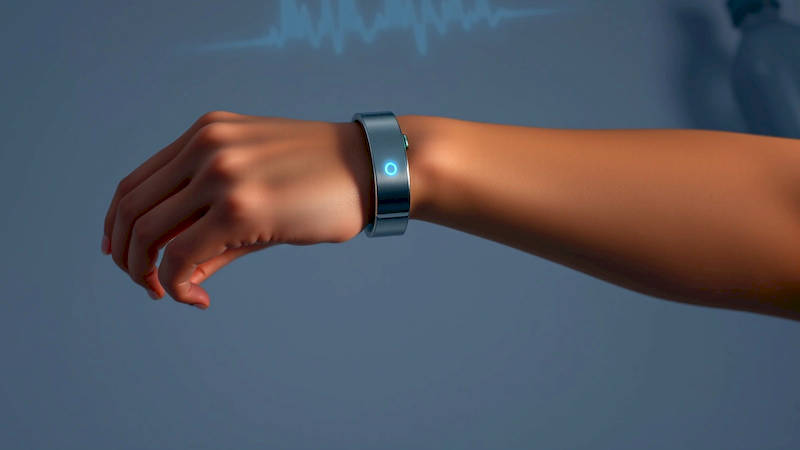
Many popular fitness trackers, such as those from Fitbit, Garmin, and Apple, are expanding beyond core activity tracking to include hydration logging. While they don't automatically measure your water intake like smart water bottles, these trackers allow you to manually log each glass or bottle, providing a centralized hub for all your health data. Integration with associated mobile apps allows for trend analysis and goal setting, similar to smart bottles. Garmin, for example, allows you to set daily hydration goals and tracks your progress, sending reminders if you fall behind.
The strength of hydration tracking within fitness trackers lies in its ecosystem. By integrating water intake with other health metrics – exercise, sleep, calories burned – you gain a more holistic understanding of your body's needs. For example, the app might suggest increasing your fluid intake on days you've completed a strenuous workout. This contextualization is crucial for truly optimizing hydration. “Looking at hydration in isolation is a missed opportunity,” explains Dr. Mark Peterson, a sports medicine physician. “It needs to be viewed in connection with your overall activity level and energy expenditure. That’s where these integrated trackers really shine.”
Despite the benefits, the manual logging aspect is a potential hurdle. It requires conscious effort and discipline to consistently record your intake. Many users may find it inconvenient to constantly pull out their phones or navigate a tracker’s interface to log each drink, leading to incomplete data and diminishing the value of the tracking feature. However, the convenience of having all your health data in one place is a huge advantage for many.
App-Based Hydration Reminders: A Simple and Affordable Starting Point
For those hesitant to invest in expensive gadgets, numerous smartphone apps offer hydration reminders. These apps, such as WaterMinder, Plant Nanny, and Daily Water Tracker Reminder, work by sending personalized notifications throughout the day. The level of customization varies, from basic time-based reminders to more sophisticated algorithms that adjust prompts based on your activity level and the weather. Plant Nanny specifically gamifies hydration by requiring you to "water" a virtual plant, which grows and thrives as you drink more water.
The primary advantage of these apps is accessibility and affordability. Most are free to download, with premium features available through subscription. They require no additional hardware and can be easily integrated into your existing smartphone routine. Plant Nanny’s gamification element is particularly effective for those motivated by visual rewards and a sense of accomplishment. These apps are an excellent entry point for anyone looking to improve their hydration habits without a significant financial commitment.
However, app-based reminders rely heavily on your willingness to respond to notifications. It’s easy to dismiss alerts or simply forget to log your intake. Unlike a physical reminder like a glowing bottle, an app notification can easily get lost in the sea of other alerts on your phone. Consistency is key, and some users may struggle to maintain the discipline required to effectively utilize these apps over the long term.
The Rise of UV Sanitizing Hydration Bottles
Beyond simply reminding you to drink, a newer category of hydration gadgets focuses on water quality alongside quantity. Several companies now offer smart water bottles with built-in UV-C sanitization technology, such as LARQ. These bottles utilize UV-C light to neutralize bacteria and viruses in your water, ensuring it's not only hydrating but also clean. The bottles typically have a UV-C LED inside the cap, activated with a simple button press.
The appeal of these bottles is growing, particularly given increasing concerns about water purity and the convenience of self-cleaning functionality. They are particularly useful for travelers, hikers, or anyone who’s unsure about the quality of their drinking water source. LARQ, for example, boasts a self-cleaning mode that runs every two hours, preventing odor buildup and ensuring a consistently fresh taste. "Concerns about waterborne pathogens are legitimate, and these UV sanitizing bottles provide an added layer of peace of mind," says Dr. Emily Carter, an environmental health specialist.
The downside is often a higher price point compared to standard smart bottles. Battery life is also a concern, as the UV-C LED requires recharging. Furthermore, while UV-C sanitation is effective against many pathogens, it doesn't remove sediment or heavy metals, so it's not a complete substitute for proper water filtration.
Integrating Hydration with Smart Home Ecosystems
The future of hydration reminders lies in seamless integration with broader smart home ecosystems. Expect to see more devices that connect with voice assistants like Amazon Alexa or Google Assistant, allowing you to log your water intake with a simple voice command. Imagine saying, “Alexa, log 16 ounces of water,” and having your hydration tracked automatically.
Furthermore, integration with smart scales and other health sensors can provide an even more granular understanding of your hydration needs. For example, a smart scale might detect slight changes in body composition indicative of dehydration and proactively suggest you drink more water. Companies are also exploring incorporating hydration monitoring into smart mattresses, analyzing sleep patterns and sweat levels to estimate fluid loss and provide tailored recommendations. This proactive, predictive approach to hydration is a significant step toward fully personalized health management.
Conclusion: Finding the Right Hydration Tech for You
The market for tech-driven hydration reminders is diverse and rapidly evolving, offering solutions for a wide range of needs and preferences. From the personalized feedback of smart water bottles to the integrated insights of fitness trackers and the affordability of mobile apps, there’s a gadget or technology to help almost anyone improve their water intake. The key takeaway is that consistent tracking and tailored reminders are vital components of building better hydration habits.
Before investing, consider your individual lifestyle and motivations. If you need visual cues, a smart water bottle might be the best fit. If you already wear a fitness tracker, leveraging its hydration logging feature is a convenient option. For a low-cost entry point, a smartphone app can be surprisingly effective. Don’t underestimate the power of simple behavioral changes, but don’t hesitate to utilize technology to make those changes easier and more sustainable. Ultimately, prioritizing hydration is an investment in your overall health and well-being, and these gadgets can be powerful tools to help you achieve your goals. Start small, be consistent, and listen to your body – with a little tech assistance, staying hydrated can become an effortless part of your daily routine.
Deja una respuesta