
Guide to Using Posture Corrector Gadgets with Real-Time Feedback
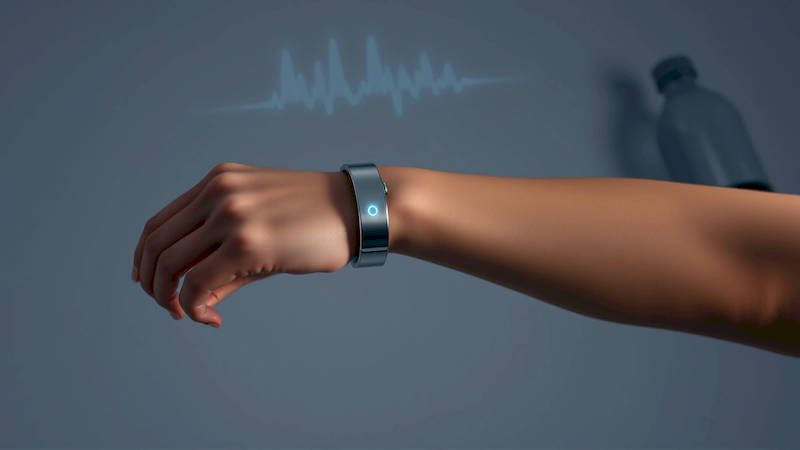
The modern world demands a lot from our bodies, and tragically, good posture is often the first casualty. From prolonged desk jobs and constant smartphone use to the general stresses of daily life, it’s no surprise that poor posture is increasingly prevalent, affecting individuals of all ages. More than just an aesthetic concern, consistently bad posture can lead to chronic pain, headaches, reduced lung capacity, and even digestive issues. Thankfully, advancements in health-tech have introduced a new wave of posture corrector gadgets designed to actively train and improve spinal alignment. These aren't your grandmother's rigid back braces; many now feature real-time feedback, making them significantly more effective. This guide will delve into the world of posture correction technology, exploring how these gadgets work, what to look for, and how to integrate them into your daily routine for lasting benefits.
The rise of these gadgets reflects a growing awareness of the impact of posture on overall health and wellbeing. Studies have shown a clear correlation between poor posture and increased risk of musculoskeletal disorders. For instance, a 2018 study published in the Journal of Physical Therapy Science found that prolonged sitting with poor posture significantly increases muscle fatigue and discomfort. Furthermore, the convenience and discreetness of modern posture correctors – many are wearable and connect to smartphone apps – make them a more palatable and sustainable solution than traditional methods like physiotherapy alone. They empower individuals to take control of their posture throughout the day, not just during scheduled appointments.
- Understanding the Technology Behind Real-Time Feedback
- Choosing the Right Posture Corrector: A Feature Breakdown
- Integrating Posture Correction into Your Daily Routine
- Navigating Common Challenges and Troubleshooting
- Beyond the Gadget: Complementary Strategies for Optimal Posture
- The Future of Posture Correction Technology
- Conclusion: Embracing an Upright Future
Understanding the Technology Behind Real-Time Feedback
Posture corrector gadgets with real-time feedback leverage various technologies to monitor and guide your posture. The most common method utilizes miniaturized sensors, often accelerometers and gyroscopes, embedded within a wearable device – think straps, shirts, or small, attachable modules. These sensors detect the angles and movements of your spine and shoulders, comparing them to an ideal postural alignment. When you deviate from this optimal position, the gadget provides a gentle cue, typically a vibration, to prompt you to correct yourself. More advanced systems can also track data over time, providing detailed reports on your postural habits through a companion smartphone app.
Crucially, the ‘real-time’ aspect is what differentiates these devices from older, passive correctors. Passive correctors simply force your body into a certain position, but offer no learning mechanism. Real-time feedback, on the other hand, encourages neuroplasticity – the brain’s ability to reorganize itself by forming new neural connections. By consistently receiving feedback when slumping, you gradually train your muscles to maintain a better posture automatically, even without the device. This active learning is vital for achieving long-term postural improvements. Consider a golfer; they don’t rely on a brace, but on repeated practice and feedback to perfect their swing.
Choosing the Right Posture Corrector: A Feature Breakdown
The market for posture correctors is rapidly expanding, meaning there’s a wide range of products available, each with unique features. It’s critical to carefully consider your needs and lifestyle before making a purchase. Some devices are designed for all-day wear, prioritizing comfort and discretion, while others are more suited for focused periods like work or exercise. Key features to evaluate include sensor accuracy, customization options, and the functionality of the accompanying app. Look for devices that allow you to adjust sensitivity levels to avoid being overwhelmed by constant reminders, especially in the beginning.
Beyond the core functionality, consider the device’s form factor. Options range from shoulder straps and vests to smart shirts that incorporate sensors directly into the fabric. Shoulder straps are generally the most affordable and versatile, but can sometimes feel restrictive. Vests offer broader support but may be less comfortable for extended wear. Smart shirts provide a discreet and natural feel, but often come with a higher price tag. Furthermore, battery life is an important consideration, as regular charging is essential for consistent feedback. Reading user reviews and comparing specifications across different models can help you narrow down your choices.
Integrating Posture Correction into Your Daily Routine
Simply buying a posture corrector isn’t enough; sustainable improvements require consistent integration into your daily life. Start slowly, wearing the device for short periods – perhaps 30-60 minutes at a time – and gradually increase the duration as your muscles adapt. Pay attention to the feedback cues and consciously correct your posture each time you receive one. Avoid relying solely on the device to do the work for you; actively engage your core muscles and practice mindful posture throughout the day.
One effective strategy is to pair the posture corrector with specific activities. For example, wear it during work hours, while commuting, or whenever you find yourself sitting for prolonged periods. Utilize the data collected by the companion app to identify patterns of poor posture. Are you most likely to slump during specific tasks or times of day? Once you recognize these triggers, you can proactively focus on maintaining better alignment. Furthermore, complement the use of the posture corrector with regular exercise, focusing on strengthening your core and back muscles. Yoga, Pilates, and swimming are all excellent choices for improving postural strength and stability.
Navigating Common Challenges and Troubleshooting
While posture correctors can be incredibly effective, it’s not uncommon to encounter challenges along the way. Many users initially experience discomfort or muscle soreness as their bodies adjust to the new postural demands. This is normal and should subside within a few days or weeks. If the discomfort persists, reduce the duration of use or adjust the sensitivity settings. Another common issue is the tendency to become overly reliant on the device, constantly waiting for the feedback cue.
To overcome this, practice mindful posture even when you’re not wearing the corrector. Set reminders on your phone to check your posture throughout the day, or ask a friend or family member to give you occasional feedback. If you experience technical issues with the device or app, consult the manufacturer’s support resources or online forums. Remember that posture correction is a process, not a quick fix. Be patient with yourself, celebrate small victories, and focus on making gradual, sustainable changes. As Dr. James Anderson, a leading physical therapist, notes, “The goal isn’t just to wear the device, it’s to retrain your brain and body to maintain good posture independently.”
Beyond the Gadget: Complementary Strategies for Optimal Posture
Posture correctors with real-time feedback are powerful tools, but they’re most effective when combined with other healthy habits. Ergonomics plays a critical role, particularly in the workspace. Ensure your chair provides adequate lumbar support, your monitor is positioned at eye level, and your keyboard and mouse are within easy reach. Regular stretching and movement breaks are also essential to combat the effects of prolonged sitting.
Consider incorporating standing desks or treadmill workstations into your routine to promote dynamic movement throughout the day. Furthermore, pay attention to your sleeping posture. Sleeping on your side with a pillow between your knees can help maintain spinal alignment. Addressing underlying muscle imbalances is also crucial. If you have a history of back pain or postural issues, consult with a physical therapist to identify and correct any imbalances. Finally, be mindful of your overall stress levels, as stress can contribute to muscle tension and poor posture. Practicing mindfulness, meditation, or yoga can help manage stress and promote relaxation.
The Future of Posture Correction Technology
The field of posture correction technology is constantly evolving, with ongoing research and development aimed at improving accuracy, comfort, and effectiveness. We're likely to see increasingly sophisticated sensors capable of providing more granular postural data, as well as AI-powered algorithms that personalize feedback based on individual needs. Integration with virtual reality (VR) and augmented reality (AR) platforms could also allow for immersive posture training experiences.
The development of more discreet and comfortable wearable technologies will be key to wider adoption. Imagine posture-correcting clothing that seamlessly integrates sensors and provides gentle haptic feedback without being noticeable. Furthermore, the potential for remote monitoring and telehealth applications could allow physical therapists to remotely assess and guide patients' posture correction journeys. These advancements promise a future where maintaining good posture is not just achievable, but effortless and integrated into our daily lives.
Conclusion: Embracing an Upright Future
Posture corrector gadgets with real-time feedback represent a significant step forward in our ability to proactively address and improve postural health. By leveraging cutting-edge technology and promoting active learning, these devices empower individuals to break free from the cycle of poor posture and unlock a wealth of physical and mental benefits. Remember, consistent use, mindful integration into your daily routine, and a holistic approach that incorporates ergonomic adjustments, exercise, and stress management are essential for achieving lasting results.
The key takeaways are these: choose a device that suits your needs and lifestyle; start slowly and gradually increase usage; actively engage your muscles and practice mindful posture; and combine the gadget with complementary strategies. Don’t simply rely on the technology; use it as a tool to empower yourself and build a foundation for a healthier, more upright future. Taking control of your posture is an investment in your long-term wellbeing, and the revolution towards a more upright world is well underway.
Deja una respuesta