
Guide to Selecting High-Quality Screen Protectors for Foldable Phones
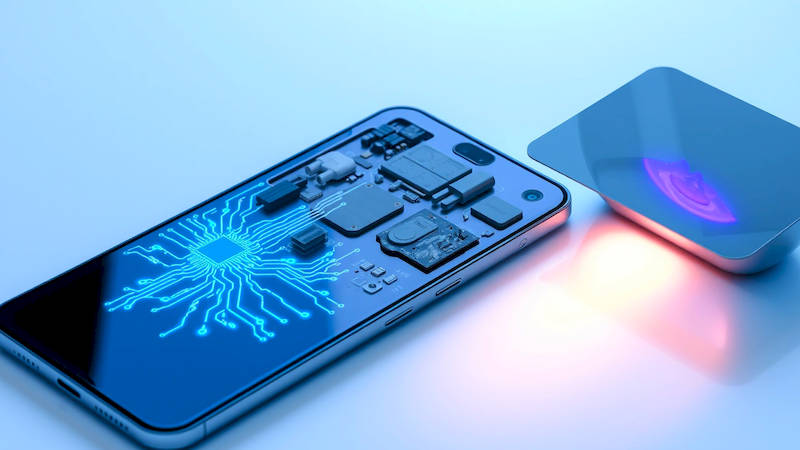
The rise of foldable phones represents a significant leap in mobile technology. Devices like the Samsung Galaxy Z Fold series, the Motorola Razr, and the Huawei Mate X offer a unique blend of smartphone and tablet functionality. However, this innovative design comes with a distinct vulnerability: the foldable screen. Unlike traditional smartphone displays protected by robust glass, foldable screens rely on flexible plastic polymer layers – typically a type of Polyimide (PI) – making them significantly more susceptible to scratches, dents, and wear. Protecting this delicate display isn’t just about aesthetics; it’s about preserving the investment and maintaining a fully functional device. A quality screen protector is no longer a mere accessory, but a necessity.
The challenge lies in finding a screen protector specifically engineered for the complexities of a foldable phone. Traditional tempered glass protectors, while effective on standard smartphones, can be too rigid and interfere with the folding mechanism, leading to bubbles, peeling, or even damage to the device. Furthermore, the unique hinge design and curvature of foldable screens require protectors that offer edge-to-edge coverage and a seamless user experience. This guide will delve into the various types of protectors available, detailing their strengths and weaknesses, and providing you with the knowledge to make an informed decision. Ultimately, a well-chosen screen protector will extend the life of your foldable phone, safeguarding its groundbreaking display for years to come.
- Understanding the Vulnerabilities of Foldable Screens
- Types of Screen Protectors for Foldable Phones: A Detailed Comparison
- Installation Techniques: Minimizing Bubbles and Ensuring a Perfect Fit
- Assessing Scratch Resistance and Clarity
- Beyond the Screen: Hinge Protection and Full-Body Solutions
- Future Trends in Foldable Phone Screen Protection
- Conclusion: Securing Your Folding Investment
Understanding the Vulnerabilities of Foldable Screens
Foldable screens aren’t inherently fragile in the sense of shattering like glass, but their susceptibility to damage differs. The outermost layer, usually a specialized plastic, is significantly softer than Gorilla Glass or similar protective glass used on conventional phones. This softness makes it highly prone to micro-scratches from everyday objects like keys, coins, or even fingernails. These seemingly minor scratches accumulate over time, creating a hazy appearance and diminishing screen clarity. Beyond scratches, the repeated folding and unfolding action can create stress points on the display, potentially leading to creases or, in extreme cases, delamination of the protective layers.
Furthermore, dust and debris can easily get trapped beneath the protective layer during folding, acting as abrasives and accelerating the scratching process. The hinge mechanism itself can also present challenges; a poorly fitted screen protector could interfere with the smooth operation of the hinge, causing uneven pressure on the display. Recent teardowns of popular foldable phones have highlighted the relative vulnerability of the internal display layers, emphasizing the need for proactive protection. Studies conducted by consumer reports indicate that foldable screens show visible wear and tear after approximately 200,000 folds – a number that, while substantial, underscores the reality of eventual degradation without proper care.
Finally, it's crucial to understand the different types of internal layers in a foldable display. These consist of the OLED panel, a touch digitizer, and a protective polymer layer. Failing to protect the outermost polymer layer directly impacts the longevity of the more expensive underlying components. Think of the screen protector as a sacrificial layer – designed to take the brunt of the damage so the core display remains pristine.
Types of Screen Protectors for Foldable Phones: A Detailed Comparison
The market for foldable phone screen protectors has rapidly evolved, offering diverse options catering to different needs and budgets. The main categories include TPU (Thermoplastic Polyurethane) films, PET (Polyethylene Terephthalate) films, and specialized hybrid materials. TPU protectors are widely regarded as the optimal choice for foldable phones due to their inherent flexibility and self-healing properties. Self-healing TPU films can minimize minor scratches over time, keeping the screen looking newer for longer. However, they typically offer less scratch resistance than other options and can require more frequent replacement.
PET films, while more affordable, are considerably less durable and flexible. They offer basic scratch protection but don’t conform well to the curved edges of foldable screens, often resulting in a halo effect or lifting at the edges. Hybrid protectors attempt to bridge the gap by combining layers of TPU and PET, or incorporating specialized coatings for enhanced scratch resistance and clarity. Another emerging category is ultra-thin glass – specifically engineered flexible glass that's thin enough to fold with the device. These offer superior scratch resistance but can be significantly more expensive, and the long-term impact on the folding mechanism is still being evaluated. "According to a recent report by Counterpoint Research, TPU remains the dominant material for foldable phone screen protectors, accounting for over 60% of the market share due to its balance of flexibility and protection."
The choice also depends on the specific foldable phone model. The Samsung Galaxy Z Fold series, for instance, benefits from protectors designed with a specific curvature to perfectly match the display. Motorola Razr protectors need to account for its clamshell design and hinge mechanism. Failing to choose a protector specifically designed for your phone model can result in a poor fit and diminished protection.
Installation Techniques: Minimizing Bubbles and Ensuring a Perfect Fit
Installing a screen protector on a foldable phone is significantly more challenging than on a traditional smartphone. The larger size, curved edges, and delicate nature of the display require patience and meticulous attention to detail. Traditional “wet application” methods, where a spray solution is used to help align and smooth the protector, are generally recommended for foldable phones. This allows for more precise positioning and helps to eliminate bubbles. However, it's crucial to use a solution specifically designed for screen protector installation to avoid damaging the display.
The process begins with thoroughly cleaning the screen with a microfiber cloth and an alcohol-based cleaning solution to remove dust, fingerprints, and oils. Next, carefully peel off the backing of the protector, avoiding touching the adhesive side. Gently align the protector with the screen, ensuring it's centered and properly aligned with the hinge. Slowly lower the protector onto the screen, using the spray solution to help it adhere. Use a squeegee or a credit card wrapped in a microfiber cloth to gently push out any bubbles, working from the center outwards.
For inward-folding devices like the Galaxy Z Fold, consider purchasing protectors that come with an installation tray – a plastic frame designed to hold the phone and guide the protector into the correct position. Be particularly careful around the hinge area to avoid trapping air bubbles. If bubbles persist, gently lift the protector and re-apply, using the spray solution to readjust. Patience is key – rushing the process can lead to imperfections that detract from the viewing experience and compromise protection.
Assessing Scratch Resistance and Clarity
Evaluating the effectiveness of a screen protector hinges on two critical factors: scratch resistance and clarity. Scratch resistance is often measured using the Mohs hardness scale, which ranks materials based on their ability to scratch others. While the Mohs scale isn’t a perfect measure for polymer-based protectors, it provides a helpful benchmark. TPU generally falls in the 2-3H range, PET around 2H, and flexible glass can reach 5-6H. However, real-world performance is influenced by the protector’s thickness, coatings, and the type of scratching material.
Clarity is equally important, as a poor-quality protector can distort colors, reduce brightness, and introduce unwanted glare. Look for protectors with anti-reflective coatings and high transparency. Reading reviews and comparing before-and-after photos can provide valuable insights into a protector's impact on display quality. A simple test you can perform at home involves writing on a piece of paper with a fine-tipped pen and then observing how legible the writing appears through the protector. If the writing appears blurry or distorted, the protector's clarity may be subpar.
Furthermore, consider the oleophobic coating – a layer that repels oil and fingerprints. A good oleophobic coating will keep the screen cleaner and easier to wipe down, maintaining optimal clarity over time. Some manufacturers offer protectors with enhanced oleophobic coatings that last longer and provide superior fingerprint resistance.
Beyond the Screen: Hinge Protection and Full-Body Solutions
While the main focus is often on protecting the foldable display itself, the hinge mechanism is equally vulnerable to damage. Dust and debris can accumulate within the hinge, causing friction and potentially affecting its smooth operation. Some manufacturers offer dedicated hinge protectors – adhesive films designed to create a barrier against dust and debris. These protectors are typically thin and transparent, minimizing their impact on the device's aesthetics.
Another option is to consider full-body protectors, which include screen protection as well as adhesive films for the back and sides of the phone. These solutions offer comprehensive protection against scratches, dents, and impacts. However, they can add bulk to the device and may interfere with wireless charging or other features. "A recent consumer survey indicated that 35% of foldable phone owners are also concerned about protecting the hinge mechanism, leading to increased demand for specialized hinge protectors," according to research from Strategy Analytics.
Ultimately, the level of protection required depends on your individual usage patterns and risk tolerance. If you frequently carry your phone in a bag with keys or other potentially damaging objects, a full-body solution may be worth considering. If you're primarily concerned about scratches and everyday wear and tear, a high-quality screen protector and a dedicated hinge protector may suffice.
Future Trends in Foldable Phone Screen Protection
The future of foldable phone screen protection is likely to see continued innovation in materials and manufacturing processes. Researchers are exploring self-healing polymers with improved scratch resistance and durability. Another promising area is the development of ultra-thin, highly flexible glass materials that offer the best of both worlds – the scratch resistance of glass and the flexibility of plastic.
We can also expect to see more advanced coating technologies, such as anti-shatter films that reduce the likelihood of cracking or delamination. Improvements in installation methods will also be crucial, with a greater focus on automated application systems and pre-cut protectors that perfectly match the contours of foldable phone displays. Furthermore, the integration of antimicrobial coatings could become increasingly common, helping to reduce the spread of germs and bacteria.
Conclusion: Securing Your Folding Investment
Selecting the right screen protector for a foldable phone is an investment in its longevity and functionality. Understanding the unique vulnerabilities of foldable screens, comparing the different types of protectors available, and mastering the installation techniques are essential steps in safeguarding your device. While TPU protectors currently offer the optimal balance of flexibility and protection, advancements in flexible glass and hybrid materials are continually challenging this status quo.
The key takeaways are to prioritize flexibility, scratch resistance, clarity, and a perfect fit for your specific phone model. Don't underestimate the importance of protecting the hinge mechanism, and consider a full-body solution if you require comprehensive protection. By taking a proactive approach to screen protection, you can enjoy the innovative features of your foldable phone for years to come, without compromising its performance or aesthetics. Ultimately, a well-chosen screen protector isn't just an accessory; it's a critical component of the foldable phone experience.
Deja una respuesta