
How Ceramic Backs Enhance Premium Smartphone Build Quality
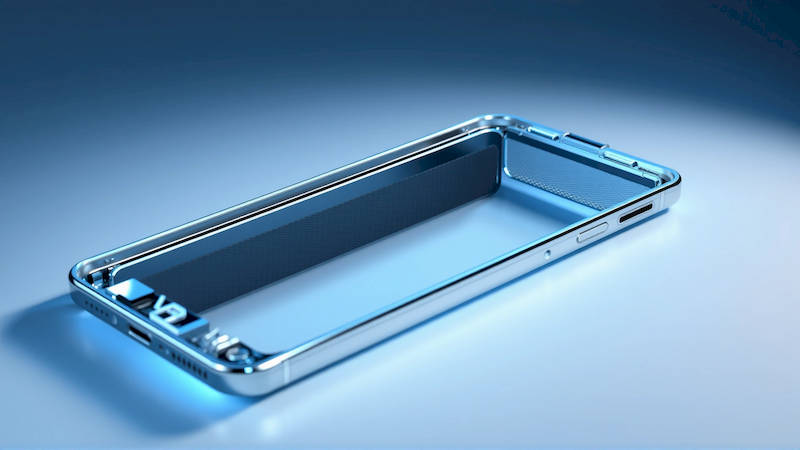
The smartphone market is fiercely competitive, and manufacturers are constantly looking for ways to differentiate their products. While internal specifications often grab headlines, the physical design and materials play a crucial role in a phone’s perceived value, durability, and overall user experience. In recent years, ceramic backs have emerged as a premium material choice, moving beyond the dominance of glass and metal. This isn’t merely an aesthetic trend; it represents a fundamental shift in how smartphones are constructed, with significant implications for build quality, longevity, and even a phone’s tactile feel. This article will delve into the intricacies of ceramic back construction, exploring its benefits, drawbacks, manufacturing processes, comparing it to other materials, and outlining its increasing prevalence in the high-end smartphone segment.
The desire for a truly premium feel extends beyond mere aesthetics. Consumers are increasingly seeking devices that not only look good but are also built to last. Scratch resistance, drop performance and a unique tactile experience are all factors influencing purchasing decisions. Ceramic, with its inherent properties, offers a strong proposition. It's a material steeped in history – used for millennia in pottery and art – now being refined and applied to cutting-edge technology. This isn’t just about jumping on a bandwagon; it’s a carefully considered engineering choice aimed at elevating the smartphone experience. Understanding the nuances of ceramic, from its creation to its ultimate performance within a smartphone, is key to appreciating its growing prominence.
- The Science Behind Ceramic & Its Superior Properties
- The Manufacturing Process: From Powder to Polished Perfection
- Ceramic vs. Glass and Metal: A Comparative Analysis
- The Role of Color and Customization in Ceramic Designs
- Challenges and Future Innovations in Ceramic Smartphone Construction
- The Leading Brands Utilizing Ceramic and Future Trends
The Science Behind Ceramic & Its Superior Properties
Ceramic, in the context of smartphone manufacturing, isn't the same as the fragile pottery you might imagine. The ceramic used in phone backs is typically zirconia (zirconium dioxide), a highly technical ceramic known for its exceptional hardness and wear resistance. Its ranking on the Mohs hardness scale (a measure of scratch resistance) is around 8, significantly higher than the 6-7 of most aluminosilicate glasses used in smartphone construction. This translates to vastly improved resistance to everyday scratches from keys, coins, and other abrasive materials, keeping your phone looking newer for longer. This fundamental difference in material properties is the cornerstone of ceramic’s appeal.
Beyond scratch resistance, zirconia boasts impressive bending strength. While it's more brittle than metal, meaning it’s more prone to cracking under extreme focused pressure, it excels at resisting flexing and deformation. This is particularly important in a smartphone, which is subjected to stresses from gripping, pocket carrying, and even temperature fluctuations. Furthermore, ceramic is thermally stable and doesn’t expand or contract as much as metal with temperature changes, contributing to a more consistent fit and finish over time. This stability reduces the stress on internal components, potentially enhancing long-term reliability.
This unique combination of properties isn't found in other common smartphone materials. While glass is transparent and aesthetically appealing, it’s significantly softer and more prone to shattering. While aluminum and titanium are strong, they are also susceptible to scratches and can bend under pressure. Ceramic offers a compelling blend of hardness, strength, and stability that sets it apart. This is why many high-end manufacturers are investing heavily in ceramic manufacturing processes.
The Manufacturing Process: From Powder to Polished Perfection
Creating a ceramic smartphone back is a complex and multi-stage process, far removed from simply molding a piece of plastic. It begins with a highly refined zirconia powder. This powder is mixed with a binder to create a slurry, which is then shaped using techniques like slip casting or injection molding. Slip casting involves pouring the slurry into a porous mold, allowing the water to be absorbed and leaving a solid ceramic shell. Injection molding, on the other hand, forces the slurry into a mold under high pressure.
Following shaping, the “green body” – the unfired ceramic – undergoes a crucial sintering process. Sintering involves heating the ceramic at extremely high temperatures (often exceeding 1600°C) in a controlled atmosphere. This causes the ceramic particles to fuse together, forming a dense, solid structure. This is where the material gains its hardness and strength. The sintering process is incredibly precise; even slight variations in temperature or atmosphere can affect the final properties of the ceramic. A lengthy and painstaking polishing process follows sintering. This is essential to achieve the smooth, glossy finish commonly seen on ceramic smartphone backs. Any imperfections or blemishes are meticulously removed, and the surface is refined to a mirror-like sheen. This polishing is often done by hand, requiring highly skilled technicians.
The complexity of this process is a major factor contributing to the higher cost of ceramic smartphones. It’s not a simple material to work with, and requires significant investment in specialized equipment and expertise. But the resulting quality and durability justify the price for many consumers.
Ceramic vs. Glass and Metal: A Comparative Analysis
When assessing smartphone materials, ceramic often stands shoulder-to-shoulder with glass and metal. Glass, particularly Corning’s Gorilla Glass, has been the industry standard for years owing to its transparency and relatively good scratch resistance. However, ceramic demonstrably outperforms glass in scratch resistance, as previously mentioned. Glass is also more prone to shattering upon impact, while ceramic, though brittle, tends to crack less catastrophically. The visual difference is also noticeable: ceramic often presents a warmer, more subtle sheen, differentiating it from the stark reflectivity of glass.
Metal, specifically aluminum alloys, offers excellent strength and heat dissipation. However, aluminum is easily scratched and dented. While stainless steel offers improved durability, it’s heavier and more expensive. Ceramic strikes a balance. It’s lighter than stainless steel, more scratch-resistant than aluminum, and arguably more sophisticated in appearance than both. It also provides good thermal conductivity, helping to dissipate heat from the phone’s internal components, although not quite as efficiently as metal.
A notable consideration is the feel in hand. While subjective, many users describe ceramic as having a warmer, more substantial feel than glass or metal. This tactile experience is another key element in the premium perception of ceramic smartphones. The choice ultimately depends on a manufacturer’s priorities: glass for maximized transparency and lower cost, metal for strength and thermal performance, or ceramic for a unique blend of luxury, durability, and tactile satisfaction.
The Role of Color and Customization in Ceramic Designs
While often found in classic white or black finishes, ceramic’s versatility extends to a surprisingly broad range of colors and textures. The color is not simply painted onto the surface; it is incorporated into the ceramic material itself during the mixing stage with the zirconia powder. This ensures the color is exceptionally durable and won't chip or fade over time. Achieving specific shades requires precise control over the chemical composition of the ceramic compound.
Furthermore, ceramic allows for unique surface textures. Manufacturers can create matte finishes, gradients, and even subtle patterns within the ceramic itself. This level of customization isn’t easily achievable with glass or metal. For example, Xiaomi has experimented with creating incredibly textured ceramic backs that provide exceptional grip and a distinct aesthetic. OPPO has also showcased impressive ceramic color gradients that shift appearance under different lighting conditions.
This ability to customize both color and texture is a significant advantage that ceramic offers to smartphone designers. It allows them to create truly unique and recognizable products that stand out from the competition. It also opens up possibilities for limited-edition models and exclusive colorways that appeal to discerning consumers.
Challenges and Future Innovations in Ceramic Smartphone Construction
Despite its advantages, ceramic isn't without its challenges. The primary concern is its brittleness. While it resists scratches remarkably well, a direct impact—especially one focused on a small area—can cause cracking. This is an area where ongoing research is focused. Innovations in ceramic composition, such as adding small amounts of other materials to increase toughness, are being explored. Improving the manufacturing process to reduce internal stresses within the ceramic is another vital area.
Another challenge is the relatively high cost of production. The complex manufacturing process, specialized equipment, and skilled labor all contribute to the premium pricing of ceramic smartphones. Streamlining the manufacturing process and finding ways to reduce material waste are critical steps in making ceramic more accessible.
Looking ahead, we can expect to see further integration of ceramic with other materials. Hybrid designs—combining a ceramic back with a metal frame—offer a balance of durability, strength, and aesthetics. We might also see the development of more advanced ceramic composites with even greater resistance to impacts. The potential for incorporating micro-structures within the ceramic to enhance signal strength and thermal performance is another exciting avenue for future research.
The Leading Brands Utilizing Ceramic and Future Trends
Currently, several brands are actively employing ceramic in their flagship smartphones. Xiaomi, particularly with its MIX series, has been a pioneer in embracing ceramic technology, known for its uniquely textured and colored backs. OPPO is another strong adopter, with the Find X series often showcasing sleek ceramic designs. Huawei has also incorporated ceramic into several of its P and Mate series models, emphasizing its scratch resistance and luxurious feel.
Even brands traditionally focused on metal and glass, like Samsung, are beginning to explore ceramic applications, though currently limiting it to specific models and colors. Apple, while not yet fully adopting ceramic for phone backs, has utilized it for the Apple Watch, demonstrating its interest in the material’s premium qualities.
The trend is clear: ceramic is gaining traction in the high-end smartphone market. As manufacturing processes become more refined and costs decrease, we can anticipate widespread adoption in the coming years. Expect to see more innovation in ceramic colors, textures, and composite materials, ultimately leading to even more durable, beautiful, and premium smartphones.
In conclusion, the inclusion of ceramic backs in smartphones isn’t simply a superficial design choice, but a foundational improvement in build quality. Its superior scratch resistance, bending strength, thermal stability, and unique tactile feel represent a significant step forward compared to traditional materials. While challenges related to brittleness and cost remain, ongoing innovations in materials science and manufacturing techniques promise to overcome these hurdles. For consumers seeking a truly premium and durable smartphone experience, ceramic represents a compelling and increasingly viable option. The trend signifies a shift in focus towards long-term durability and luxurious aesthetics, signaling a new era in smartphone design and manufacturing.
Deja una respuesta