
Essential Car Mounts for Safe Smartphone Use While Driving
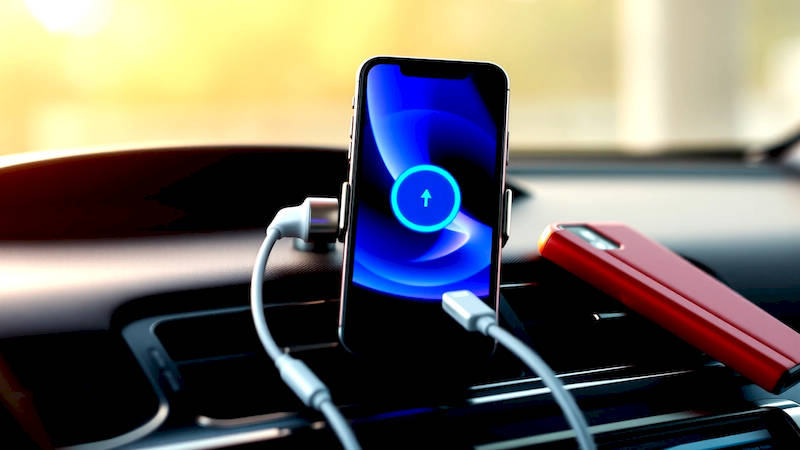
The proliferation of smartphones has fundamentally altered how we navigate, communicate, and even entertain ourselves while on the road. However, this convenience comes with a significant safety risk. The National Highway Traffic Safety Administration (NHTSA) estimates that distracted driving claimed 3,142 lives in 2020 alone, and smartphone use is a leading contributor. Holding a phone while driving, even for a fleeting glance, significantly increases your reaction time and the risk of an accident. The solution isn't necessarily abstinence from smartphone use in the car, but rather, safe and legal integration through a reliable car mount.
Choosing the right car mount is crucial. It's not simply about holding your phone; it's about maintaining focus on the road, complying with local laws (many jurisdictions prohibit hand-held device use while driving), and ensuring quick, easy access to essential functions like navigation or hands-free calling. But with a dizzying array of options – magnetic, vent, dashboard, windshield, cup holder – selecting the best fit can be overwhelming. This article provides a comprehensive guide to understanding the different types of car mounts, their strengths and weaknesses, compatibility considerations, and essential factors for safe smartphone integration while driving.
- Understanding the Different Types of Car Mounts
- Magnetic Mounts: Convenience & Considerations
- Vent, Windshield, and Dashboard Mounts: Stability & Visibility
- Cup Holder Mounts: A Stable Alternative with Trade-Offs
- Compatibility and Smartphone Case Considerations
- Legal Considerations & Best Practices
- Conclusion: Prioritizing Safety & Convenience
Understanding the Different Types of Car Mounts
The first step in choosing the right car mount is understanding the variety available. Each type has unique advantages and disadvantages, fitting different vehicle interiors and user preferences. Magnetic mounts, popular for their ease of use, utilize a magnetic plate adhered to your phone or case. These offer a minimalist aesthetic and one-handed operation for attaching and detaching, but strong magnets can potentially interfere with internal phone components (though this is increasingly rare with modern smartphones), and some users might find the grip less secure, especially on bumpy roads. Vent mounts clip directly onto your vehicle's air vents, offering a compact and generally secure solution. However, they can obstruct airflow, particularly in warmer climates, and aren’t suitable for all vent designs.
Dashboard mounts adhere directly to the dashboard surface using a sticky base or suction cup. These provide a stable platform and a wide range of adjustability, but the adhesive can leave residue, damage the dashboard material, or lose its grip in extreme temperatures. Windshield mounts, using a suction cup to attach to the windshield, are another common option; they provide a clear line of sight and are generally adaptable to various vehicle models. However, some drivers find them visually obstructive, and they might violate local laws in certain areas. A final category gaining popularity are cup holder mounts that expand to fit securely within a car's cup holder. They are very stable and require no adhesive, but sacrifice a cup holder, and position the phone relatively low.
Magnetic Mounts: Convenience & Considerations
Magnetic mounts remain a favored choice for many drivers due to their simplicity. The core principle is a strong neodymium magnet that securely holds your phone in place. You typically attach a thin metal plate to the back of your phone or inside its case. When you bring the phone near the mount, it snaps into position. There are several advantages to this design: quick attachment and detachment, a minimalist appearance, and ease of adjusting the phone's orientation. However, despite advancements, the potential for magnetic interference remains a concern, and some smartphones with glass backs may not adhere effectively to the magnetic surface without a specific case.
The quality of the magnet is paramount. Cheaper mounts often use weaker magnets that can struggle to hold heavier smartphones, particularly during aggressive driving maneuvers. Look for mounts with multiple magnets or those specifically designed for larger devices. "A good magnetic mount should hold your phone firmly even on rough roads, without requiring constant readjustment," states automotive tech reviewer Chris Davies of Wareable. Furthermore, consider the impact on wireless charging. The metal plate can sometimes interfere with wireless charging functionality, so opting for a mount designed to minimize this effect – or using a compatible metal plate – is essential. Finally, consistently check the integrity of the attachment; over time, the adhesive on the plate can weaken, reducing the magnetic bond.
Vent, Windshield, and Dashboard Mounts: Stability & Visibility
Vent, windshield, and dashboard mounts offer varying degrees of stability and visibility. Vent mounts, while convenient, often struggle with large or heavy phones and can obstruct air flow, potentially leading to reduced cooling or defrosting effectiveness, especially during extreme weather. Windshield mounts, on the other hand, provide a clear line of sight and generally better stability, but they can be visually distracting to some drivers and, as mentioned, may be illegal in certain jurisdictions. Dashboard mounts, frequently employing a sticky pad or suction cup, excel in offering adjustability and a stable platform, but the adhesion can be unreliable in hot or cold environments, and removing the mount can leave residue.
When selecting these types, prioritizing build quality is key. A robust clamp mechanism prevents phone slippage. For dashboard mounts, look for materials designed to withstand intense sunlight and temperature fluctuations to avoid adhesive failure. A truly stable windshield mount will use a reinforced suction cup and a multi-point locking system. Even with a secure mount, positioning is critical. Avoid mounting the phone in a location that obstructs your view of the road or interferes with essential vehicle controls. Experiment with different angles and heights to find the optimal placement for both safety and usability.
Cup Holder Mounts: A Stable Alternative with Trade-Offs
Cup holder mounts represent a less common, yet remarkably stable, solution for smartphone integration in the vehicle. These mounts expand to fit securely within your car's cup holder, providing a firm base for your phone. A significant advantage of cup holder mounts is their universal compatibility – they typically work with any vehicle equipped with standard-sized cup holders. They also avoid the use of adhesives, preventing potential damage to your dashboard or windshield. However, they inevitably sacrifice a cup holder, and the lower positioning of the phone might necessitate more significant eye movement, potentially increasing driver distraction.
The design of the cup holder mount itself dictates its effectiveness. Look for mounts with an adjustable base to accommodate different cup holder sizes and a sturdy gooseneck or telescoping arm for optimal phone positioning. Some models incorporate quick-release mechanisms for easy phone attachment and detachment. While generally considered highly stable, it's crucial to ensure the mount is firmly secured within the cup holder before embarking on a journey. Check periodically to confirm it hasn’t shifted or loosened over time. "Cup holder mounts are often overlooked, but they provide an unexpectedly secure and convenient solution, especially for larger vehicles with ample cup holder space," notes tech blogger Sarah Miller of Digital Trends.
Compatibility and Smartphone Case Considerations
Regardless of the chosen mount type, compatibility with both your smartphone and its case is paramount. Many mounts have adjustable cradles to accommodate different phone widths and heights, but it's crucial to verify the mount's specified size range aligns with your device. For magnetic mounts, the thickness of your case can impact the strength of the magnetic connection. Bulky or rugged cases might necessitate a different mounting solution altogether.
Moreover, consider the placement of wireless charging coils within your phone and case. Improper alignment with the mount's charging capabilities (if applicable) can prevent successful charging. Some case manufacturers specifically design cases with metal plates embedded for seamless integration with magnetic mounts, eliminating the need for a separate adhesive plate. If using a pop socket or similar accessory, it may interfere with the mount’s grip, requiring its removal prior to mounting the phone. Always test the compatibility before a long drive to avoid frustration and potential safety hazards.
Legal Considerations & Best Practices
Beyond the technical aspects, it's essential to be aware of local laws regarding smartphone use while driving. Many states have hands-free laws prohibiting holding a phone while operating a vehicle, even at a stoplight. A car mount enables you to comply with these regulations by keeping your phone secure and accessible without requiring you to hold it. However, simply having a mount doesn’t guarantee legal compliance.
Best practices include pre-programming your navigation app before starting your journey and utilizing voice commands for calls and music control. Avoid excessive interaction with your phone while driving; pull over to a safe location if you need to engage in complex tasks. Regularly update your smartphone and navigation apps to ensure optimal performance and compatibility with your car mount. Finally, periodically inspect your car mount for wear and tear, and replace it if it’s damaged or compromised.
Conclusion: Prioritizing Safety & Convenience
Choosing the right car mount isn’t about simply finding the cheapest or most aesthetically pleasing option. It's a crucial decision impacting your safety and the safety of others on the road. Understanding the strengths and weaknesses of different mount types – magnetic, vent, dashboard, windshield, and cup holder – is the first step. Prioritize build quality, compatibility with your phone and case, and adherence to local laws.
The key takeaways are these: identify your needs and driving habits, opt for a sturdy and reliable mount, position it strategically for minimal distraction, and always prioritize safe driving practices. A good car mount is an investment in your safety, allowing you to leverage the convenience of your smartphone while remaining focused on the road. Taking the time to select the right mount and use it responsibly can make a significant difference in preventing accidents and ensuring a safer driving experience for you and everyone around you. Ultimately, a safe and legally compliant driving experience should be the primary consideration when integrating your smartphone into your vehicle.
Deja una respuesta