
Top Budget-Friendly Smartphone Cases Compatible with Latest iPhone Versions
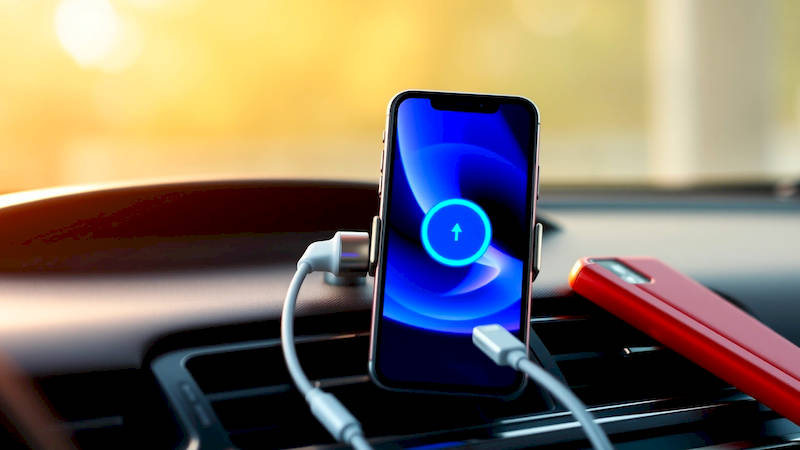
The iPhone remains a status symbol and a crucial tool for modern life, but its sleek design and high price tag demand protection. While AppleCare offers repair options, a quality case is the first line of defense against the everyday bumps, drops, and scratches that inevitably occur. However, “quality” doesn’t automatically equate to “expensive.” The market is flooded with budget-friendly cases that offer surprisingly robust protection without breaking the bank. This article delves into the best affordable case options for the latest iPhone generations, dissecting materials, features, and compatibility to help you make an informed decision. Choosing the right case is about balancing cost, protection level, and personal style, and we’ll guide you through all three.
The proliferation of iPhone models – currently spanning the 13, 14, and 15 series, with variations like the Pro, Pro Max, and standard models – necessitates careful attention to compatibility. A case designed for an iPhone 14 Pro Max will not fit an iPhone 15. Beyond fit, factors like camera bump protection, MagSafe compatibility (for wireless charging and accessories), and overall durability come into play. Many consumers mistakenly believe that cheaper cases offer little to no protection. This is increasingly untrue, with advancements in materials science allowing for affordable options that rival the protection offered by premium brands.
- Understanding Materials: TPU, PC, and Hybrid Construction
- Top Picks: Cases Under for iPhone 13/14/15 Series
- MagSafe Compatibility: Bridging the Gap Between Affordability and Functionality
- Beyond Protection: Style and Ergonomics
- Drop Test Results & Material Durability: What the Numbers Say
- Alternative Options: DIY & Refurbished Cases
- Conclusion: Making the Smart Choice for Your iPhone
Understanding Materials: TPU, PC, and Hybrid Construction
The material a case is made from dictates its level of protection, flexibility, and aesthetic appeal. Thermoplastic Polyurethane (TPU) is arguably the most common material used in budget-friendly cases. It’s known for its shock absorption qualities, providing excellent protection against drops and impacts. TPU is inherently flexible, allowing for easy installation and removal. However, it can be susceptible to yellowing over time with prolonged exposure to UV light, and it may not offer the most premium feel in the hand.
Polycarbonate (PC) is a hard plastic that offers superior scratch resistance compared to TPU. While less flexible, PC provides a rigid structure that helps distribute impact force. It's often used in conjunction with TPU in hybrid cases. These hybrid designs feature a TPU bumper that absorbs shock, coupled with a PC backplate for added rigidity and scratch protection. According to a 2023 consumer report by Statista, 68% of smartphone case buyers prioritize drop protection, while 55% prioritize scratch resistance, suggesting that hybrid cases effectively cater to the majority of consumer needs.
A further consideration is the thickness of the material. Thicker cases generally provide more protection but can add significant bulk to your iPhone. Finding the right balance between protection and maintaining a relatively sleek profile is crucial, especially for those prioritizing pocketability. Look for cases with reinforced corners, a key area for impact absorption during drops; these are a hallmark of better-designed, even budget-friendly, options.
Top Picks: Cases Under $30 for iPhone 13/14/15 Series
The sub-$30 price point offers a remarkable selection of cases. Spigen’s Liquid Air series consistently receives positive reviews for its lightweight design and excellent grip, typically retailing between $15-$20. These TPU cases feature a textured back that minimizes fingerprints and provides a secure hold. Another strong contender is the ESR Clear Case, often priced around $15. These cases showcase the iPhone’s design while offering decent scratch protection and a slim profile. The ESR cases also incorporate a raised bezel around the screen and camera to prevent surface contact when placed face down.
Beyond these staples, brands like Caseology offer a wider variety of styles, including more rugged options like the Parallax series (around $25), which combines a textured TPU bumper with a PC backplate for enhanced protection. It’s essential to check specific model compatibility; for example, the Caseology Parallax offers different versions tailored for each iPhone 14/15/13 Pro and standard model. Amazon Basics also provides extremely affordable options, often under $10, though these generally offer less robust protection compared to the aforementioned brands. Consumer reviews suggest prioritizing slightly higher spend ($15-$25) for a noticeable increase in durability and longevity.
MagSafe Compatibility: Bridging the Gap Between Affordability and Functionality
MagSafe, introduced with the iPhone 12 series, offers a convenient method for wireless charging and attachment of accessories like wallets and stands. While many budget-friendly cases don’t offer native MagSafe compatibility, the number of affordable options with integrated magnets is steadily increasing. Look for cases specifically advertised as “MagSafe Compatible,” which means they contain embedded magnets that align with Apple’s MagSafe chargers and accessories.
However, it's crucial to understand that “MagSafe Compatible” does not equate to the same magnetic strength as Apple’s official cases. The connection may be slightly weaker, potentially leading to minor misalignment during wireless charging. Nonetheless, for users who appreciate the convenience of MagSafe, it’s a worthwhile feature to seek out. Brands like TORRAS now offer cases in the $20-$25 range with relatively strong magnetic rings. A recent teardown analysis by iFixit revealed that the strength of the magnets in many third-party MagSafe cases falls within a significant range, reinforcing the importance of researching specific product reviews.
Alternatively, you can purchase MagSafe adhesive rings separately and attach them to non-MagSafe compatible cases, though this adds an extra step and may not be as aesthetically pleasing.
Beyond Protection: Style and Ergonomics
While protection is paramount, the aesthetic appeal and ergonomics of a case are also important considerations. Cases come in a vast array of colors, designs, and finishes. Clear cases allow the iPhone's original design to shine through, while opaque cases provide a customizable aesthetic. Textured backs enhance grip, reducing the risk of accidental drops, while smoother surfaces may offer a more premium feel.
Ergonomics are often overlooked. A case that feels comfortable in the hand makes the iPhone more enjoyable to use for extended periods. Bulky cases can strain the hand, especially for those with smaller hands. Consider the overall size and weight of the case and how it affects the iPhone's usability. Some cases incorporate subtle curves or contoured edges to improve grip and reduce fatigue. Examining user reviews specifically mentioning comfort and ease of handling can provide valuable insights.
Drop Test Results & Material Durability: What the Numbers Say
Actual drop test results from independent sources are invaluable when evaluating case protection. Websites like CNET and YouTube channels dedicated to tech reviews routinely conduct drop tests on various smartphone cases, simulating real-world scenarios. While these tests aren't foolproof, they provide a general indication of a case's ability to withstand impacts.
Generally, TPU cases excel at absorbing low to medium-impact drops, while hybrid cases with PC backplates perform better in higher-impact scenarios. Cases with raised bezels around the screen and camera are crucial for preventing direct contact with surfaces during drops. The Military Standard 810G certification, often cited by case manufacturers, indicates that the case has undergone rigorous testing to withstand various environmental conditions, including drops, temperature extremes, and humidity. However, the specifics of this certification can vary, so it's important to dig deeper into the testing methodology. Material density and thickness also dramatically impact performance.
Alternative Options: DIY & Refurbished Cases
For the exceptionally budget-conscious, exploring DIY options or refurbished cases can be viable alternatives. Applying a high-quality screen protector and backing film can provide a basic level of scratch protection. However, these methods offer minimal impact protection. Refurbished cases, available on platforms like eBay and Swappa, can offer substantial savings. However, it’s crucial to purchase from reputable sellers with a clear return policy to ensure the case is in good condition and compatible with your iPhone model.
Another emerging trend is the use of biodegradable or compostable phone cases, catering to environmentally conscious consumers. While these cases may not offer the same level of durability as traditional plastic cases, they represent a more sustainable alternative. The price point for these eco-friendly options is generally slightly higher, but the environmental benefits may outweigh the cost for some users.
Conclusion: Making the Smart Choice for Your iPhone
Choosing the right smartphone case is a balancing act between protection, functionality, aesthetics, and budget. While premium cases offer advanced features and materials, a wealth of excellent, budget-friendly options are available for the latest iPhone generations. TPU and hybrid cases represent the sweet spot for most users, providing a good balance of shock absorption, scratch resistance and affordability. Prioritizing MagSafe compatibility is essential for those who embrace wireless charging and accessories, but be mindful that the magnetic strength may vary.
Key takeaways include understanding the materials used (TPU, PC, hybrid), checking for specific iPhone model compatibility, and prioritizing reinforced corners and raised bezels. Don’t rely solely on price; read user reviews and seek out drop test results to assess a case's real-world performance. Ultimately, investing in a quality case, even a budget-friendly one, is a cost-effective way to safeguard your valuable iPhone and peace of mind. Actionable next steps include browsing reputable online retailers, comparing prices and features, and carefully checking compatibility before making a purchase. Don’t hesitate to read reviews from multiple sources to get a comprehensive understanding of each case’s strengths and weaknesses.
Deja una respuesta