
How Ambient Lighting Influences Smartphone Surface Choices
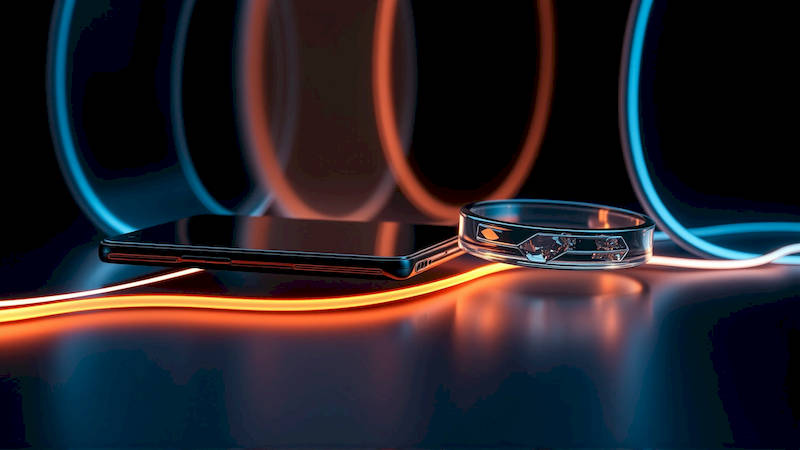
The smartphone, once purely a communication tool, has evolved into an intensely personal object—a fashion statement, a creative outlet, and an extension of our identities. Consequently, its design has become increasingly sophisticated, pushing boundaries not just in functionality but in aesthetics. A critical, often unseen, driver of these aesthetic choices is the interplay between ambient lighting and smartphone surface materials. From the subtle shimmer of pearlescent glass to the matte finish of ceramic, the way a phone looks under different light conditions significantly impacts its perceived value and overall appeal. This isn’t simply about visual preference; it’s about understanding how light interacts with material properties to create a desired effect, and how manufacturers strategically leverage this understanding to influence consumer perception. This article delves into the intricacies of this relationship, exploring the materials used, the lighting considerations that guide their selection, and the future trends shaping the aesthetic landscape of smartphones.
The importance of considering ambient lighting stems from the fundamental way we perceive color and texture. Our brains don’t interpret color in isolation; they actively process it in relation to surrounding light sources. Consequently, a phone’s color can appear dramatically different under fluorescent office lighting compared to the warm glow of a sunset. Manufacturers are acutely aware of this, recognizing that a design that captivates in a brightly lit store might fall flat in real-world usage. Further, the increasing trend of expressing personal style through phone customization – cases, skins, and even custom color options – heightens the sensitivity to how these surfaces interact with light. Smartphones are no longer merely black or white rectangles; they're canvases, and the lighting informs the artwork.
- The Rise of Glass: Reflecting and Refracting Light
- The Matte Revolution: Minimizing Glare and Highlighting Form
- Ceramic’s Luxurious Allure: Balancing Reflection and Diffusion
- Metal’s Versatility: Anodization and Surface Treatments
- Color, Pigments, and the Pursuit of Dynamic Finishes
- The Future of Smartphone Surfaces: Beyond Current Materials
- Conclusion: Lighting as the Ultimate Design Companion
The Rise of Glass: Reflecting and Refracting Light
Glass, particularly chemically strengthened glass like Corning’s Gorilla Glass, has become the dominant material for smartphone backs, and increasingly, for front panels as well. Its appeal lies in its inherent ability to reflect and refract light, offering a premium aesthetic and a smooth tactile experience. However, not all glass is created equal. Different treatments, coatings, and thicknesses profoundly impact its interaction with ambient light. For example, glossy glass surfaces maximize reflectivity, creating striking highlights and a sense of depth. This performs well in bright, controlled environments but can become a fingerprint magnet and suffer from significant glare under direct sunlight.
Manufacturers combat these drawbacks through techniques like anti-reflective coatings (ARC). ARC layers reduce surface reflections, improving visibility in bright light and creating a smoother, more unified appearance. The effectiveness of these coatings is crucial, particularly for phones marketed as having “dynamic” colors, as the ARC layer must preserve the intended hue while mitigating glare. Beyond ARC, etching and texturing the glass surface introduce subtle patterns that diffuse light, reducing fingerprints and adding visual interest. This is particularly evident in phones with gradient color schemes, where the textured glass enhances the transition between shades. This is notably seen in Oppo’s Find X series, where the ceramic-effect glass back displays shifting colors under varying light angles.
Another approach is utilizing different types of glass. Borosilicate glass, famed for its resistance to thermal shock, is sometimes preferred for certain aesthetic properties, offering a slightly different refractive index and texture compared to traditional aluminosilicate glass. The way glass refracts light is also exploited to create the illusion of depth within the material itself, as seen in some phones with layered glass designs. These techniques aren’t just cosmetic; they are meticulously engineered to optimize the phone’s appearance under a range of realistic lighting scenarios.
The Matte Revolution: Minimizing Glare and Highlighting Form
Countering the prevalence of glossy glass is the increasingly popular trend of matte finishes, achieved through various techniques like sandblasting, micro-etching, and specialized coatings. Matte surfaces diffuse light more uniformly, minimizing glare and fingerprints. This delivers a more understated, sophisticated aesthetic appealing to consumers seeking a less ostentatious look. The choice of material significantly impacts the effectiveness of a matte finish. Aluminum, when properly anodized and sandblasted, provides a remarkably durable and visually consistent matte texture.
The key to a successful matte finish lies in the uniformity of the texture. Inconsistent etching or coating application can result in patchy or uneven light reflection, detracting from the premium feel. Similarly, the grade of the abrasive material used in sandblasting influences the overall finish. Finer abrasives produce a smoother, more refined texture, while coarser abrasives create a more pronounced, tactile feel. A prime example is the Pixel line, renowned for their matte aluminum frames. The consistent frosting and form factor elevates the phone's texture and makes it non-slip. The shift towards matte finishes also addresses concerns about durability; matte surfaces tend to be more resistant to scratching than highly polished ones, further enhancing the perceived value.
However, matte isn’t without its trade-offs. Darker matte finishes can sometimes appear less vibrant and may absorb more heat. Manufacturers address this through color selection and the application of specialized coatings that promote heat dissipation. The challenge for designers is to create a matte finish that is both visually appealing and functionally optimized for real-world usage.
Ceramic’s Luxurious Allure: Balancing Reflection and Diffusion
Ceramic has emerged as a premium material choice, often positioned as a step above glass and metal in terms of both durability and aesthetic appeal. Unlike glass, ceramic offers a unique combination of properties: it’s incredibly hard, scratch-resistant, and provides a warm, almost tactile feel. Crucially, its interaction with light is distinct. While not as reflective as glossy glass, ceramic possesses a subtle sheen that reflects light softly, creating a sense of depth and richness.
The manufacturing process of ceramic is exceptionally complex and expensive, contributing to its premium price point. Shaping ceramic into the complex curves of a smartphone requires precision molding and high-temperature firing. Light’s effect upon ceramic hinges on the glazing used. Different glaze formulations dictate whether it's more reflective or diffuse. More heavily glazed ceramic tends to appear smoother and more reflective, while matte glazes create a more textured, understated look. Xiaomi are notable proponents of ceramic backs, as evidenced in their Mi series, indicating how the unique finish and texture distinguishes these phones from the market.
The perceived color of ceramic also shifts under different lighting conditions, exhibiting a warmth that isn’t present in glass or metal. This quality makes it particularly well-suited for warmer color palettes, such as gold, beige, and cream. However, ceramic’s inherent opacity means it cannot be used to create fully transparent designs, limiting its application in certain aesthetic concepts.
Metal’s Versatility: Anodization and Surface Treatments
Aluminum remains a prevalent material in smartphone construction, particularly for frames and mid-frames. Its lightweight properties, strength, and ease of manufacturing make it a cost-effective and versatile choice. However, bare aluminum is susceptible to corrosion and lacks the visual appeal of more premium materials. Consequently, manufacturers rely heavily on surface treatments, most notably anodization, to enhance its aesthetic and protective qualities.
Anodization is an electrochemical process that creates a protective oxide layer on the aluminum surface. This layer can be dyed in a wide range of colors, offering significant design flexibility. The thickness and porosity of the anodized layer influence its interaction with light. Thicker layers provide greater durability and a more uniform color, while thinner layers allow for a more subtle, metallic sheen. The use of sandblasting after anodization, as utilized by Apple on some iPhone models, creates a matte texture that further diffuses light and adds a tactile element.
Beyond anodization, techniques like Physical Vapor Deposition (PVD) can be used to apply thin films of metallic coatings, such as titanium nitride, which enhance scratch resistance and add a distinctive color and texture. Furthermore, careful polishing and brushing can create varying levels of reflectivity, allowing designers to tailor the metal’s appearance to their desired aesthetic.
Color, Pigments, and the Pursuit of Dynamic Finishes
The selection of pigments and dyes used in achieving a phone’s color is intrinsically linked to how that color will appear under different lighting conditions. Metallic pigments, for example, incorporate tiny particles that reflect light, creating a shimmering effect. However, the size, shape, and concentration of these particles influence the intensity and angle of the reflection. Pearlescent pigments, derived from fish scales or synthetic materials, create an iridescent effect, shifting color depending on the viewing angle and ambient light.
Manufacturers are increasingly experimenting with dynamic finishes that change color depending on the light source or viewing angle. These effects are often achieved through multi-layered coatings and advanced pigment technologies. The 'Aurora' or 'Holographic' finishes seen on phones from Huawei and others demonstrate the potential of these techniques. These finishes rely on intricate diffraction gratings within the coating that split light into its constituent colors, creating a mesmerizing, ever-changing visual effect. Such dynamic finishes are particularly challenging to execute consistently, requiring precise control over the coating process and material composition.
The Future of Smartphone Surfaces: Beyond Current Materials
The pursuit of novel smartphone surface materials continues, driven by the desire to enhance aesthetics, durability, and functionality. Research is focusing on bio-based materials, such as mycelium composites and plant-based resins, as sustainable alternatives to traditional plastics and metals. These materials offer the potential for unique textures and colors, while reducing reliance on fossil fuels.
Another promising area is the development of self-healing materials, which can automatically repair minor scratches and abrasions, maintaining the phone’s pristine appearance over time. Further advancements in nanotechnology could lead to surfaces that dynamically adapt their properties in response to ambient light, offering personalized aesthetics and optimized visual comfort. Imagine a phone back that automatically adjusts its reflectivity to reduce glare in bright sunlight or shifts color to match your clothing! These innovations, still in their infancy, hint at a future where the smartphone surface is no longer a static element, but a dynamic, interactive canvas.
Conclusion: Lighting as the Ultimate Design Companion
The relationship between ambient lighting and smartphone surface choices is a profound one, deeply impacting how we perceive and interact with these devices. Manufacturers are no longer simply selecting materials based on their inherent properties but are meticulously engineering them to optimize their appearance under a wide range of lighting conditions. From the controlled brilliance of retail displays to the spontaneous shifts of natural sunlight, every lighting scenario is considered. The current trend favors both the understated elegance of matte finishes and the luxurious allure of ceramic, alongside continued innovation in glass technology.
Key takeaways include the importance of anti-reflective coatings on glass, the consistent textural application required for effective matte finishes, and the unique dynamic qualities of ceramic. Looking ahead, sustainable materials and self-healing technologies promise to redefine the landscape of smartphone design. Ultimately, understanding how light interacts with materials is paramount to creating smartphones that are not just technologically advanced but also visually captivating—true extensions of our personalities and styles. For consumers, this means paying attention not only to the color of a phone but also its finish and how that finish interacts with the light around you when making a purchase.
Deja una respuesta