
Carbon Fiber in Smartphones: Durability Meets Modern Aesthetics
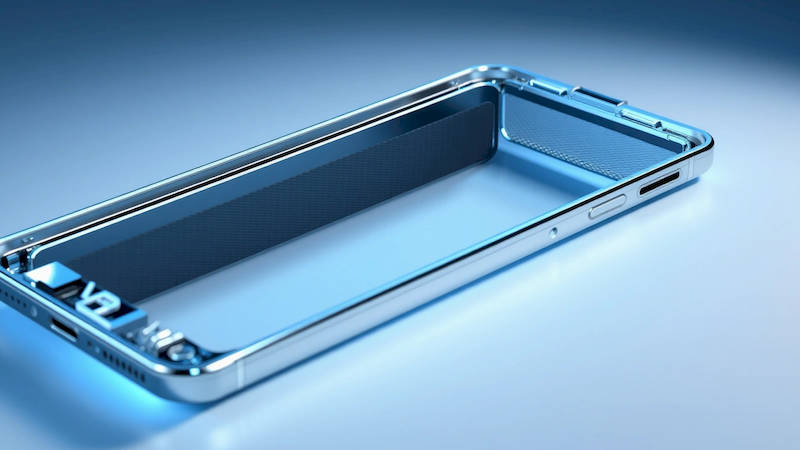
The smartphone landscape is in constant flux, driven not only by advancements in processing power and software, but also by the materials used in their construction. While aluminum and glass have long been the dominant choices, a material steadily gaining prominence – and capturing the attention of tech enthusiasts – is carbon fiber. Once relegated to high-performance sports cars and aerospace engineering, carbon fiber is increasingly finding its way into the premium designs of smartphones. This isn’t purely an aesthetic choice; carbon fiber offers a unique blend of strength, lightness, and a distinctive visual texture, all qualities highly sought-after in mobile device manufacturing. This article will delve into the compelling case for carbon fiber in smartphones, examining its properties, manufacturing processes, benefits, challenges, and future potential.
The adoption of carbon fiber represents a shift in how manufacturers approach smartphone design, moving beyond simply prioritizing sleekness toward a more holistic consideration of durability and performance. Consumers are expecting more from their devices, demanding resilience to withstand the rigors of daily life alongside a premium aesthetic. Carbon fiber offers a compelling solution, enabling brands to offer devices that feel robust and look exclusive. Exploring this material is essential to understanding the direction in which smartphone design is evolving, and what to expect from future generations of mobile technology. This article intends to be a comprehensive guide for those interested in the technological and design implications of utilizing carbon fiber in smartphones.
- The Science Behind the Strength: Understanding Carbon Fiber
- Manufacturing Challenges and Techniques for Smartphone Integration
- The Benefits: Beyond Aesthetics - Strength, Weight, and Heat Dissipation
- The Drawbacks: Cost, Repairability, and Environmental Concerns
- Examples in the Market: Pioneering Brands and Current Implementations
- Looking Ahead: Innovations and the Future of Carbon Fiber in Smartphones
- Conclusion: A Premium Material with a Promising Future
The Science Behind the Strength: Understanding Carbon Fiber
Carbon fiber isn’t a single material, but rather a composite – a combination of carbon fibers bound together with a resin, typically epoxy. The carbon fibers themselves are incredibly strong and lightweight, formed through a process called carbonization, where organic polymers (like polyacrylonitrile or PAN) are heated to extremely high temperatures in an oxygen-free environment. This process leaves behind fibers composed almost entirely of carbon atoms arranged in long, linked chains, contributing to their exceptional tensile strength – a measure of how much stress a material can withstand before breaking. A key property is its high strength-to-weight ratio, meaning it offers significant strength for very little mass.
The arrangement of these carbon fibers dramatically impacts the composite’s final properties. Different weave patterns – such as plain weave, twill weave, or unidirectional – change the material's stiffness, flexibility, and aesthetic appearance. A plain weave, for example, is characterized by a simple over-under pattern and offers excellent stability. Twill weaves, with their diagonal pattern, offer more drape and are often preferred for cosmetic applications. Unidirectional carbon fiber is strongest in one direction, ideal for reinforcing specific areas requiring focused strength. The resin matrix holds the fibers in place and distributes stress across them, preventing localized failure. It’s this carefully engineered combination that delivers a material substantially stronger and lighter than aluminum, and far more resistant to shattering than glass.
However, carbon fiber isn’t universally superior. While fiercely strong in tension, it’s relatively brittle and can be vulnerable to impact damage, especially perpendicular to the fiber alignment. This is a key consideration when applying it to smartphones, requiring strategic layering and reinforcement to mitigate susceptibility to cracking from drops. "The challenge with carbon fiber isn’t solely its cost, but achieving the necessary impact resistance for a device that's constantly being handled and potentially dropped," states Dr. Emily Carter, a materials scientist specializing in composite materials, in a recent industry presentation.
Manufacturing Challenges and Techniques for Smartphone Integration
Integrating carbon fiber into smartphone production isn’t as simple as swapping materials. The manufacturing process is significantly more complex and expensive than working with aluminum or plastic. The traditional method involves laying down layers of carbon fiber fabric, impregnating them with resin, and curing them under heat and pressure – a process known as layup. This is labor-intensive and difficult to automate fully. However, advancements are being made in areas like resin transfer molding (RTM) and compression molding to streamline the process for larger-scale production.
The anisotropic nature of carbon fiber (strength varying with direction) further complicates matters. Smartphone casings aren’t subjected to stress in a single direction, so manufacturers must carefully consider fiber orientation to optimize strength across the entire device. This often involves layering multiple sheets of carbon fiber with differing orientations. Moreover, carbon fiber is electrically conductive, which can interfere with the delicate internal electronics of a smartphone. Therefore, a non-conductive barrier or strategic grounding is crucial.
Finally, achieving the desired finish is a challenge. Raw carbon fiber is matte black, which is desirable for some designs, but often requires coating for aesthetic purposes. Applying coatings without compromising the material’s integrity and lightweight nature requires specialized techniques. Companies are increasingly exploring techniques like physical vapor deposition (PVD) for durable, thin coatings. “The real difficulty lies in upscaling the production while maintaining the quality and consistency demanded by consumers,” explains John Davies, a manufacturing engineer involved in carbon fiber smartphone production.
The Benefits: Beyond Aesthetics - Strength, Weight, and Heat Dissipation
While the visual appeal of carbon fiber is undeniably a draw, its benefits extend far beyond aesthetics. A primary advantage is its exceptional strength-to-weight ratio. Utilizing carbon fiber components allows manufacturers to create devices that feel incredibly solid and premium, without adding significant bulk or weight. This is particularly important in larger smartphones where weight management is a critical factor for user comfort. Compared to aluminum, carbon fiber is significantly lighter while offering comparable or even superior strength, depending on the weave and layup.
Furthermore, carbon fiber possesses excellent thermal conductivity, meaning it can effectively dissipate heat away from internal components. Smartphones generate significant heat during intensive tasks like gaming or video recording, and efficient heat dissipation is critical to prevent performance throttling and maintain device longevity. By strategically incorporating carbon fiber into the chassis or heat shielding, manufacturers can improve thermal management. Carbon fiber’s anisotropic properties can be harnessed here; directing the fiber alignment to maximize thermal conductivity along specific pathways.
The material also offers a degree of electromagnetic interference (EMI) shielding. While not a complete replacement for dedicated EMI shielding components, carbon fiber’s inherent conductivity can contribute to reducing interference from external sources and protecting sensitive internal electronics. This provides an additional layer of protection against signal degradation.
The Drawbacks: Cost, Repairability, and Environmental Concerns
Despite its many advantages, carbon fiber isn’t without its downsides. The most significant barrier to wider adoption is cost. Carbon fiber itself is considerably more expensive than aluminum or plastic, and the complex manufacturing processes further inflate the price. This translates directly to higher retail prices for smartphones utilizing the material, limiting its availability to premium models.
Repairability is also a major concern. Unlike aluminum, which can be bent or reshaped, carbon fiber is brittle and prone to cracking. Repairing a cracked carbon fiber smartphone casing is significantly more challenging and expensive than repairing an aluminum one, often requiring specialized expertise. Furthermore, the process isn’t always reliable, and repairs may not restore the original strength and aesthetic appearance.
Finally, environmental concerns surrounding carbon fiber production and disposal exist. The manufacturing process is energy-intensive, and the resin matrix is often not readily recyclable. While research is being conducted on more sustainable resin alternatives and recycling techniques, the current lifecycle of carbon fiber products remains a challenge.
Examples in the Market: Pioneering Brands and Current Implementations
Several smartphone manufacturers have already embraced carbon fiber, albeit often in limited runs or special editions. One notable example is the limited-edition Lamborghini Edition of the ASUS ROG Phone II, which featured a distinctive carbon fiber backplate. This wasn't just cosmetic; it contributed to the phone’s structural rigidity and unique aesthetic appeal. Motorola has also utilized carbon fiber in some of its high-end editions, such as certain Moto Mods, showcasing the material’s potential for modular smartphone designs.
More recently, some smaller, boutique brands have focused on entirely carbon fiber framed smartphones, emphasizing both the material's durability and exclusive aesthetic. These offerings are typically significantly more expensive than mainstream options, targeting a niche market of enthusiasts. While full carbon fiber chassis remain rare, the use of carbon fiber accents (like trim pieces or camera surrounds) is becoming increasingly common. This allows brands to introduce the material’s aesthetic benefits without incurring the full cost of a complete carbon fiber construction.
Looking Ahead: Innovations and the Future of Carbon Fiber in Smartphones
The future of carbon fiber in smartphones looks promising, with ongoing research and development focused on overcoming current limitations. One key area of innovation is the development of more cost-effective carbon fiber manufacturing processes. Advancements in automated fiber placement (AFP) and resin infusion techniques are expected to significantly reduce production costs and increase scalability.
Another exciting development is the exploration of bio-based resins as alternatives to traditional epoxy resins, potentially addressing the environmental concerns associated with carbon fiber production. Furthermore, researchers are working on self-healing carbon fiber composites – materials capable of repairing minor cracks and damage autonomously, improving durability and extending the device’s lifespan.
We can also anticipate a greater integration of carbon fiber with other advanced materials. Combining carbon fiber with graphene, for example, could create composites with even higher strength and enhanced thermal conductivity. As material science continues to evolve, carbon fiber is poised to become an increasingly integral component of smartphone design, offering a compelling blend of durability, aesthetics, and performance.
Conclusion: A Premium Material with a Promising Future
Carbon fiber represents a significant step forward in smartphone material science, offering a compelling combination of strength, lightness, and a distinctive aesthetic. While current limitations related to cost, repairability, and environmental concerns present challenges, ongoing innovation is steadily addressing these issues. The initial adoption has predominantly been limited to premium devices, acting as a strong symbol of luxury and technological distinction. However, as manufacturing processes become more refined and costs decrease, we can expect to see carbon fiber become more prevalent in a wider range of smartphones.
Key takeaways include the understanding that carbon fiber’s unique properties – its high strength-to-weight ratio and thermal conductivity – address critical needs in modern smartphone design. Consumers are increasingly demanding devices that are both durable and visually appealing, and carbon fiber offers a solution that delivers on both fronts. Actionable steps for those interested in this technology include staying informed about new materials and manufacturing processes, and considering devices that utilize carbon fiber for a premium experience. The future of smartphone materials is undeniably innovative, and carbon fiber is set to play a pivotal role in shaping that future.
Deja una respuesta