
How Wearable Devices Are Revolutionizing Senior Care and Monitoring
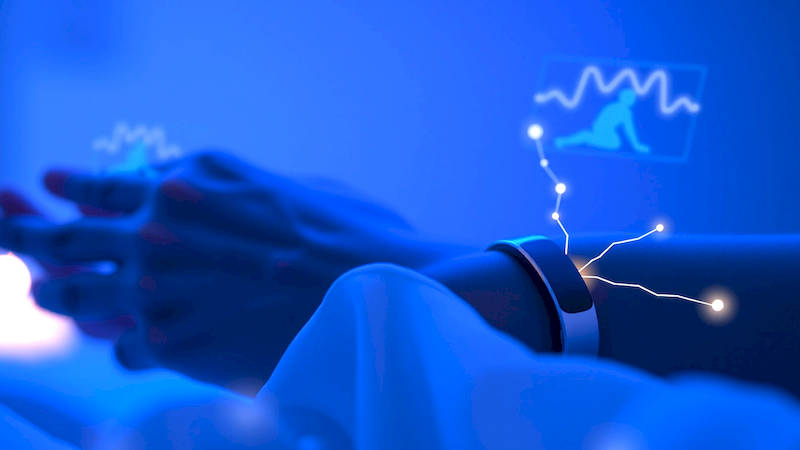
The global population is aging at an unprecedented rate. By 2050, the United Nations projects that over 16% of the world's population will be aged 65 or older. This demographic shift presents significant challenges, not least of which is the increasing demand for effective and affordable senior care. Traditional methods often involve costly in-home assistance or relocation to assisted living facilities, options that aren't always feasible or preferred by seniors or their families. Fortunately, a technological revolution is underway, with wearable devices emerging as a powerful tool in addressing these challenges and enabling a higher quality of life for aging individuals.
These aren’t simply fitness trackers rebranded for seniors. The latest generation of wearables incorporates sophisticated sensors, advanced algorithms, and seamless connectivity to provide continuous health monitoring, fall detection, medication adherence reminders, and even GPS location tracking. They offer a proactive approach to elder care, shifting the focus from reactive intervention after an event to preventative care that promotes independence and well-being. This evolution is not just about technology; it’s about empowering seniors to live fuller, safer, and more independent lives for as long as possible, while providing peace of mind to their loved ones.
Wearable technology’s potential extends beyond simple monitoring. It's about creating a connected ecosystem of care, integrating data from multiple sources – including the wearable, smart home sensors, and electronic health records – to provide a comprehensive view of a senior’s health and behavior. This holistic approach promises to significantly improve the efficiency and effectiveness of elder care, ultimately benefitting both individuals and the healthcare system as a whole. This article will delve into the specifics of how wearable devices are reshaping senior care, the benefits they provide, the types of technology available, and the challenges and future directions within this quickly evolving field.
- Understanding the Core Benefits of Wearable Technology in Senior Care
- Types of Wearable Devices Specifically Designed for Senior Care
- Data Security, Privacy, and Ethical Considerations
- The Role of Connectivity: 5G, Bluetooth, and Cellular Integration
- Navigating the Challenges: Adoption, Cost, and User Experience
- The Future of Wearable Technology in Senior Care: Personalization and Predictive Analytics.
- Conclusion: Embracing the Digital Guardian for a Healthier Future
Understanding the Core Benefits of Wearable Technology in Senior Care
The fundamental advantage of wearable technology in senior care lies in its ability to provide continuous, unobtrusive monitoring. Unlike periodic check-ups with a doctor or relying solely on self-reporting, wearables gather real-time data on vital signs like heart rate, blood pressure, sleep patterns, and activity levels. This constant stream of information allows for early detection of subtle changes that could indicate a developing health issue, prompting timely intervention and potentially preventing hospitalization. This is particularly crucial for managing chronic conditions like heart disease, diabetes, and hypertension, which are prevalent among the elderly population.
Beyond basic health monitoring, fall detection is arguably one of the most impactful applications. Falls are a leading cause of injury and death among seniors; approximately one in four older adults experiences a fall each year, according to the National Council on Aging. Wearable devices equipped with accelerometer and gyroscope technology can detect sudden changes in movement indicative of a fall and automatically alert emergency contacts or a monitoring center. This rapid response can significantly reduce the severity of injuries and improve outcomes. Furthermore, the knowledge that a fall detection system is in place can boost a senior’s confidence and encourage them to remain active.
The benefits further extend to promoting medication adherence. Many seniors take multiple medications daily, and remembering dosages and schedules can be challenging. Smart pill bottles and wearable reminders can provide timely alerts, ensuring that medications are taken correctly, which is critical for managing health conditions and preventing adverse drug interactions. This adherence support isn’t merely about reminding; some systems can automatically report missed doses to caregivers, allowing them to address the issue proactively. These devices aren't simply extensions of healthcare; they're becoming integral components of preventative wellness strategies.
Types of Wearable Devices Specifically Designed for Senior Care
While general-purpose fitness trackers can offer some benefits to seniors, devices specifically designed for elder care offer more targeted features and functionalities. These include smartwatches with fall detection, GPS tracking, and emergency call capabilities. Many models also include simplified user interfaces and larger displays, catering to the needs of individuals with visual impairments or limited dexterity. Examples include the Apple Watch with fall detection, specifically configured for emergency SOS, and devices from Lively (formerly GreatCall) which bundle together cellular connectivity and specialized health and safety features with a user-friendly interface.
Another key category is wearable medical alert systems (WMAS). Unlike traditional medical alert pendants, WMAS devices often incorporate more advanced sensors and connectivity options. They can transmit data to a 24/7 monitoring center, allowing trained professionals to assess the situation and dispatch emergency services if needed. Importantly, many WMAS devices are discreet and stylish, addressing the concerns of seniors who may be hesitant to wear traditional, stigmatizing medical alert devices. These systems have increasingly moved toward cellular connectivity, meaning they don't require a paired smartphone or Wi-Fi connection, providing broader coverage and peace of mind.
Finally, there's a growing market for biosensors integrated into clothing or accessories. These discreet sensors can continuously monitor vital signs without requiring the user to actively wear a device. For example, smart socks can track foot temperature to detect early signs of diabetic ulcers, while shirts with embedded sensors can monitor heart rate variability and respiration rate to assess cardiovascular health. This trend towards unobtrusive monitoring is likely to gain traction as technology becomes more miniaturized and comfortable.
Data Security, Privacy, and Ethical Considerations
The collection and analysis of sensitive health data raise significant privacy and security concerns. Wearable devices transmit personal information, including location data, heart rate, and sleep patterns, which could be vulnerable to hacking or misuse. Robust data encryption, secure cloud storage, and adherence to privacy regulations like HIPAA (in the US) are paramount. Users must be fully informed about how their data is being collected, used, and shared, and they should have control over their data preferences.
Beyond data security, ethical considerations are also crucial. For example, the use of wearable devices shouldn’t be coercive or infringe on a senior’s autonomy. It’s essential to ensure that individuals understand the benefits and limitations of the technology and that they have the agency to make informed decisions about their care. Furthermore, algorithmic bias is a potential concern. If the algorithms used to analyze data are trained on limited or biased datasets, they may provide inaccurate or unfair results. Regular auditing and validation of algorithms are necessary to mitigate this risk.
The Role of Connectivity: 5G, Bluetooth, and Cellular Integration
The effectiveness of wearable devices in senior care hinges on reliable connectivity. Bluetooth is commonly used for short-range communication between the wearable and a smartphone or hub, but it has limitations in terms of range and bandwidth. 5G technology offers significantly faster speeds and lower latency, enabling real-time data transmission and remote monitoring capabilities. This is especially crucial for applications like remote patient monitoring and telerehabilitation. However, 5G coverage is still limited in many areas, particularly in rural communities.
Cellular integration provides the most robust connectivity solution, allowing wearables to function independently of a smartphone or Wi-Fi network. This is particularly valuable for seniors who may not be comfortable using smartphones or who live in areas with unreliable internet access. Devices with built-in cellular connectivity can automatically alert emergency services in the event of a fall, even if the user is unable to reach their phone. The cost of cellular service is a factor to consider, but many providers offer specialized plans for seniors with affordable data options.
The integration between wearables and Electronic Health Records (EHRs) is also a critical aspect of connectivity. Seamless data sharing between wearables and EHRs enables healthcare providers to access a more comprehensive view of a patient’s health, leading to better-informed clinical decisions. However, interoperability challenges and data standardization issues remain barriers to widespread adoption.
Navigating the Challenges: Adoption, Cost, and User Experience
Despite the clear potential, several challenges hinder the widespread adoption of wearable technology in senior care. One of the main obstacles is digital literacy. Many seniors are unfamiliar with technology and may struggle to use complex devices or navigate smartphone apps. Simple, intuitive user interfaces and personalized training programs are essential to address this issue. Acknowledging that many seniors are late adopters and require patient, repeated instruction is key to successful implementation.
Cost is another significant barrier. While the price of wearables has decreased in recent years, some devices can still be expensive, particularly those with advanced features. Furthermore, ongoing subscription fees for monitoring services or cellular connectivity can add to the overall cost. Exploring subsidies, insurance coverage, and affordable device options is crucial to make wearable technology accessible to a wider range of seniors.
Finally, user experience is paramount. Devices must be comfortable to wear, easy to operate, and aesthetically appealing. Seniors are less likely to adopt technology that is cumbersome, confusing, or stigmatizing. Design aesthetics and focus on ease of use should be central to the development process. For example, devices specifically designed to look like traditional jewelry or watches will be more readily accepted.
The Future of Wearable Technology in Senior Care: Personalization and Predictive Analytics.
The future of wearable technology in senior care promises to be even more personalized and proactive. Advances in artificial intelligence (AI) and machine learning (ML) will enable devices to analyze data in real-time and provide personalized recommendations and interventions. For example, AI-powered algorithms could predict the risk of falls based on gait analysis and balance data, alerting the user or caregiver to take preventative measures.
Personalized medicine is a key trend. Wearables will be used to monitor an individual's unique responses to medications and treatments, allowing healthcare providers to tailor their approach to optimize outcomes. The rise of "ambient intelligence" – where sensors are integrated into the home environment – will further enhance monitoring capabilities, creating a seamless and supportive ecosystem of care. Expect greater levels of predictive analytics, moving beyond reactive alerts to anticipate health issues before they manifest.
Ultimately, the potential of wearable technology to transform senior care is enormous. By empowering seniors to live more independent, connected, and fulfilling lives, while providing peace of mind to their loved ones, these devices are poised to become an indispensable tool in addressing the challenges of an aging population.
Conclusion: Embracing the Digital Guardian for a Healthier Future
Wearable technology is no longer a futuristic concept; it’s a present-day reality reshaping the landscape of senior care. From continuous health monitoring and fall detection to medication adherence reminders and remote patient monitoring, these devices offer a compelling solution to the challenges posed by an aging population. While challenges related to data privacy, cost, and user adoption remain, the benefits of increased independence, improved health outcomes, and enhanced peace of mind are undeniable.
The key takeaways from this exploration highlight the importance of selecting devices tailored to individual needs, prioritizing data security, and focusing on user-friendly designs. To prepare for this evolving landscape, seniors and their families should research available options, explore potential financial assistance programs, and seek training on how to effectively use these technologies. Healthcare providers should integrate wearable data into their clinical workflows to provide more personalized and proactive care. As technology continues to advance, the "digital guardian" provided by wearable devices will become an increasingly vital component of a comprehensive elder care strategy, ultimately empowering seniors to live longer, healthier, and more fulfilling lives.
Deja una respuesta