
Compact Drone Cameras to Capture Your Travel Memories from Above
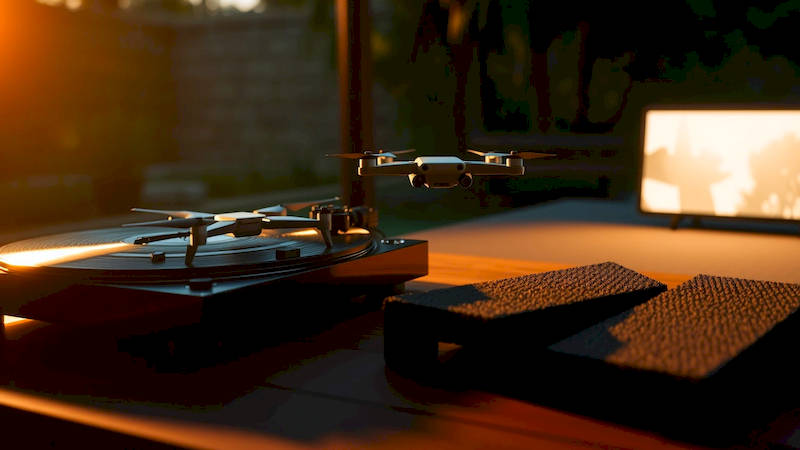
The way we document and share our travels has undergone a dramatic transformation in recent years. While photos and videos have always been essential, the perspective has traditionally been earthbound. Now, thanks to advancements in drone technology, a bird’s-eye view is within reach for the average traveler. Compact drone cameras are no longer the realm of professional filmmakers; they’ve become increasingly accessible, affordable, and user-friendly, empowering adventurers to capture stunning aerial footage of their journeys. This accessibility isn’t just about convenience; it’s about unlocking a whole new dimension of storytelling, letting travelers showcase the grandeur of landscapes and the vibrancy of destinations in a way that was previously unimaginable.
The market for travel-focused drones is booming, largely fuelled by the rise of social media and the desire for shareable, visually captivating content. A recent report by the Association for Unmanned Vehicle Systems International (AUVSI) predicts the consumer drone market will continue to experience double-digit growth for the foreseeable future, with travel and tourism being a key driver. However, navigating the options can be overwhelming. Features like camera quality, flight time, portability, and safety features vary drastically between models. More importantly, understanding local regulations and responsible drone operation is paramount – a beautiful shot isn’t worth a fine or endangering others.
This article will delve into the world of compact drone cameras, providing a comprehensive guide to selecting the right drone for your travel needs, understanding key features, navigating legal considerations, and mastering the techniques to capture breathtaking aerial memories. We'll explore the current landscape of available models, analyze their strengths and weaknesses, and offer practical tips for both beginner and experienced drone pilots.
Understanding the Key Features of Travel Drones
When selecting a compact drone camera for travel, several features will significantly impact your experience. It's crucial to prioritize these based on your individual needs and planned usage. The first, and arguably most important, consideration is camera quality. Resolution is often measured in megapixels (MP), with higher MP generally allowing for more detailed images and videos. However, sensor size is equally, if not more, important. A larger sensor can capture more light, resulting in better low-light performance and a wider dynamic range – vital for capturing stunning scenery in varying conditions. The ability to shoot in formats like RAW is also beneficial as it provides more flexibility in post-production editing.
Beyond image quality, flight time is a critical factor. Most compact travel drones offer between 20-35 minutes of flight time per battery, but this can be reduced by wind, temperature, and aggressive maneuvers. Consider purchasing extra batteries to extend your shooting time and minimize downtime. Portability is also paramount for travelers. Look for drones that fold down compactly and come with a protective carrying case. Weight is another aspect; regulatory limitations and airline restrictions often impose weight limits. Finally, investigate intelligent flight modes such as ActiveTrack (following a subject), Point of Interest (circling a subject), and QuickShots (pre-programmed cinematic maneuvers) which can dramatically simplify capturing complex shots.
To illustrate, the DJI Mavic 3 Mini (under 249g) prioritizes portability and ease of use, while the Autel EVO Nano+ boasts a larger 1-inch sensor for exceptional image quality despite its compact size. Choosing the 'best' drone involves understanding this trade-off; often, a compromise must be made between portability, price, and top-tier image sensor performance.
Navigating the Legal Landscape of Drone Flight
Before you even think about launching your drone in a new location, understanding and adhering to local drone regulations is non-negotiable. Regulations vary widely between countries, and even within different regions of the same country. In the United States, the Federal Aviation Administration (FAA) requires drone registration for most drones weighing over 250 grams. Operators must also pass the TRUST (The Recreational UAS Safety Test) exam and follow specific rules regarding altitude limits (generally 400 feet), line-of-sight operation, and restricted airspace.
European Union regulations are similarly complex, categorized based on the risk level of the operation. The EU introduced new regulations in 2024 that classify operators, drones, and operational areas, requiring varying levels of registration, training, and authorization. Flying in national parks, near airports, and over populated areas often requires prior permission or is entirely prohibited. Many countries have specific limitations on flying near sensitive infrastructure, such as power plants and military bases. Resources like drone-laws.com and the websites of national aviation authorities (FAA, EASA, etc.) are essential for staying informed.
Ignoring these regulations can result in substantial fines, confiscation of your drone, and even legal penalties. Beyond the legal aspect, responsible drone operation is crucial for respecting privacy and minimizing disturbance to local communities and wildlife. Always fly respectfully and be mindful of your surroundings.
Essential Skills for Capturing Stunning Aerial Footage
Simply owning a capable drone isn't enough to guarantee breathtaking results. Mastering a few fundamental piloting and videography skills is crucial for unlocking its full potential. Start by practicing in wide-open spaces, away from obstacles, to become comfortable with the drone's controls and movement. Learn to smoothly execute basic maneuvers like ascending, descending, yawing (rotating), and panning. Pay close attention to wind conditions; even a slight breeze can significantly impact flight stability.
Composition is key to creating visually appealing aerial footage. Utilize the Rule of Thirds, leading lines, and framing to guide the viewer’s eye and create a sense of depth and scale. Experiment with different camera angles and perspectives to showcase the unique characteristics of the landscape. Understand the importance of proper exposure and white balance to capture accurate colors and avoid blown-out highlights or underexposed shadows. Shoot in RAW format to allow for greater flexibility in post-production editing. Consider using ND filters (Neutral Density) to manage light and allow for slower shutter speeds, resulting in smoother, more cinematic footage. Lastly, practicing smooth, deliberate movements is paramount; jerky footage is quickly noticeable and detracts from the overall viewing experience.
A good exercise is to choose a single location and practice capturing the same shot from multiple angles and perspectives. This helps build muscle memory and refine your understanding of drone control and composition.
Safety First: Maintaining a Responsible Approach to Drone Flying
Safety should be the top priority whenever operating a drone. Before each flight, perform a thorough pre-flight check, ensuring all batteries are fully charged, propellers are securely attached, and the drone’s firmware is up to date. Calibrate the compass and IMU (Inertial Measurement Unit) to ensure accurate positioning and stability. Always maintain visual line of sight with the drone, meaning you can continuously see it with your unaided vision. Avoid flying near airports, power lines, and other obstacles.
Be aware of potential interference from other electronic devices and GPS signals. Avoid flying in adverse weather conditions, such as strong winds, rain, or fog. Never fly under the influence of alcohol or drugs. Familiarize yourself with the drone’s safety features, such as Return-to-Home (RTH) and obstacle avoidance sensors. Understand how these features work and know when to activate them. Respect the privacy of others and avoid flying over private property without permission.
Consider taking a drone piloting course to learn best practices and advanced safety techniques. Many organizations offer comprehensive training programs that cover everything from basic flight operations to advanced aerial photography and videography. Remember, responsible drone operation protects not only yourself but also the surrounding environment and community.
Choosing the Right Drone: A Current Market Overview
The market is populated with several impressive compact drone options. The DJI Mini series (Mini 3, Mini 4 Pro) remain popular choices, balancing portability, ease of use, and good image quality. The DJI Air series (Air 3) offers enhanced features like dual-camera systems, advanced obstacle avoidance, and longer flight times, albeit at a higher price point. Autel Robotics provides credible alternatives, with the EVO Nano+ series competing strongly with DJI offerings in terms of camera quality and features.
The Skydio series (Skydio 2+) boasts exceptional autonomous flight capabilities and obstacle avoidance, making it ideal for challenging environments. For those on a tighter budget, brands like Ryze Tech (Tello) offer entry-level drones with basic functionality. However, it’s critical to read independent reviews and compare specifications carefully before making a purchase. Consider what’s available, and what features matter most to you. Don't get caught up in the 'megapixel race' – sensor size and image processing capabilities often matter more. Furthermore, look at the ecosystem of accessories and support available for each model.
In conclusion, compact drone cameras have revolutionized the way we capture travel memories, offering a unique and immersive perspective. However, owning and operating a drone responsibly requires careful consideration of features, regulations, safety, and skills. By understanding these key aspects and investing in appropriate training, you can unlock the full potential of this exciting technology and create stunning aerial footage that will inspire and captivate for years to come. The key takeaway is this: a drone is not just a gadget; it's a powerful tool that demands respect, knowledge, and a commitment to responsible operation. Your next adventure, seen from above, awaits.
Deja una respuesta