
Advantages of Using UV Sanitizer Phone Cases for Daily Use
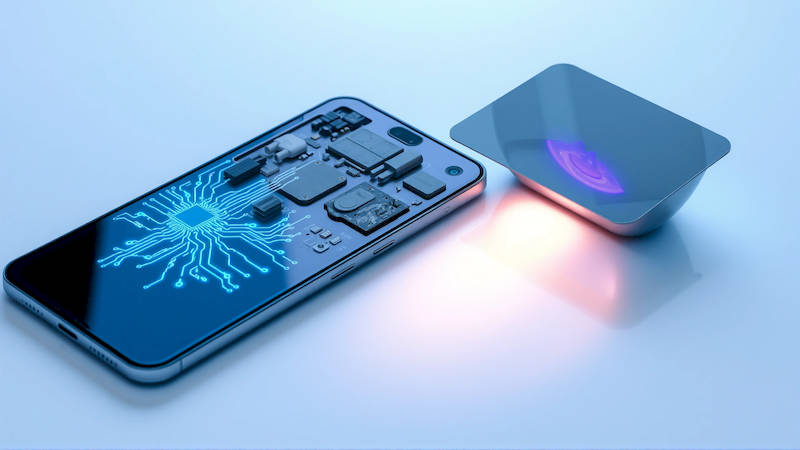
Our smartphones have become indispensable extensions of ourselves, accompanying us through every facet of daily life. From communication and entertainment to banking and navigation, these devices are constantly in our hands, and, consequently, in contact with a multitude of surfaces. This constant interaction breeds a hidden concern: the proliferation of germs and bacteria on our phones. While we regularly wash our hands, the surfaces of our phones often remain unaddressed, creating a potential breeding ground for harmful microorganisms. Enter the UV sanitizer phone case – a relatively new but increasingly popular accessory promising a cleaner, more hygienic mobile experience. This article delves into the advantages of integrating these seemingly futuristic cases into daily life, exploring the science behind the technology, the practical benefits, and considerations for choosing the right one.
The need for such a solution isn't merely theoretical. Studies have shown smartphones harbor more bacteria than toilet seats – a statistic that, while often sensationalized, highlights the reality of their susceptibility to contamination. This isn’t about paranoia; it’s about proactively safeguarding our health. UV sanitizer phone cases aren't a replacement for good hygiene practices, but they provide a crucial added layer of protection in a world where our mobiles are ubiquitous and often exposed to countless unseen threats. They offer peace of mind and the potential to reduce the spread of illness, making them a worthwhile investment for the health-conscious consumer.
- The Science Behind UV Sanitization: How It Works
- Protecting Against a Range of Pathogens: Beyond Common Cold & Flu
- Convenience and Practicality: Integrating Sanitization into Your Routine
- Key Features to Look for When Choosing a UV Sanitizer Phone Case
- Addressing Concerns and Limitations: What UV Sanitizer Cases Can't Do
- Long-Term Cost-Benefit Analysis: An Investment in Health & Hygiene
- Conclusion: A Proactive Approach to Mobile Hygiene
The Science Behind UV Sanitization: How It Works
Ultraviolet (UV) light, specifically UV-C, has long been recognized as a powerful disinfectant. Its germicidal properties stem from its ability to damage the DNA and RNA of microorganisms like bacteria, viruses, and fungi, effectively rendering them harmless. Unlike chemical disinfectants, UV-C doesn't leave behind any residue, making it a safe and effective cleaning method. UV sanitizer phone cases harness this powerful technology, incorporating UV-C LEDs within the case itself to bathe the phone in disinfecting light. These LEDs emit UV-C light at a specific wavelength (typically between 260-280nm) known to be most effective at destroying microbial nucleic acids.
The efficacy of UV sanitization depends on several factors, including the intensity of the UV-C light, the exposure time, and the type of microorganism. Quality UV sanitizer phone cases are designed to deliver a sufficient dose of UV-C radiation to achieve a significant reduction in germ count within a reasonable timeframe, usually between 30 seconds to a few minutes. It’s important to note that UV-C light can be harmful to human skin and eyes, which is why these cases are designed with safety mechanisms to prevent exposure during operation. Most cases utilize automatic shut-off features and are sealed to ensure no UV-C light leaks out during the sanitization process.
However, it’s crucial to understand that UV sanitization isn’t sterilization. While it dramatically reduces the number of germs present, it doesn’t eliminate everything. Think of it as a significant reduction in the bioburden, providing a considerably cleaner surface. Furthermore, the effectiveness can be reduced if the phone's surface is heavily contaminated with organic matter, like dirt or grease. In such cases, a manual wipe-down with an alcohol-based solution before UV sanitization is recommended for optimal results.
Protecting Against a Range of Pathogens: Beyond Common Cold & Flu
While the initial association with UV sanitizer phone cases often revolves around reducing the spread of common colds and flu, the scope of their protective power extends far beyond these seasonal ailments. Smartphones can harbor a diverse array of pathogens, including E. coli, Staphylococcus aureus (Staph), and even antibiotic-resistant bacteria like MRSA. These are not simply inconveniences; they can lead to more serious infections, particularly in individuals with compromised immune systems. UV-C light has demonstrated effectiveness against a broad spectrum of these microorganisms, offering a significant level of defense against a wider range of potential health risks.
Consider the context of public transport or shared workspaces – environments riddled with germs. A smartphone used in these settings becomes a perfect vehicle for transmitting pathogens. A study published in the Journal of Applied Microbiology found that UV-C light effectively inactivated several common viruses on various surfaces, including those similar to the materials used in phone construction. This highlights the potential for UV sanitizer phone cases to mitigate the risk of cross-contamination in shared environments, contributing to better public health.
Furthermore, the increasing concern of antimicrobial resistance emphasizes the importance of non-chemical disinfection methods like UV-C. Over-reliance on antibiotics and antibacterial products has led to the evolution of resistant strains of bacteria, diminishing the effectiveness of traditional treatments. UV sanitization offers a complementary approach that doesn’t contribute to the development of resistance, making it a sustainable and forward-thinking solution.
Convenience and Practicality: Integrating Sanitization into Your Routine
The beauty of UV sanitizer phone cases lies in their seamless integration into daily life. Unlike dedicated sanitizing devices that require separate time and effort, these cases offer on-demand sanitization with the push of a button. Many cases are designed for automatic operation, initiating a sanitization cycle whenever the phone is placed inside, or scheduled to run during overnight charging. This eliminates the need for conscious effort, building a habit of continuous disinfection without disrupting your routine.
The convenience factor is amplified by the case's dual functionality. It’s not just a sanitizer; it’s also a protective case that shields your phone from scratches, bumps, and drops. This eliminates the need to carry a separate sanitizing device and case, streamlining your mobile setup and reducing bulk. Several models also incorporate wireless charging capabilities, further enhancing functionality and convenience. Considering this, rather than a singular purpose add-on, it becomes an all-in-one solution.
This integration also fosters a proactive approach to hygiene. Instead of reacting to potential contamination, you're actively preventing it with every use. This is especially valuable for professions that require frequent use of mobile devices in public settings, like healthcare workers, delivery personnel, or sales representatives. A consistent sanitization routine can significantly reduce the risk of cross-contamination, protecting both the user and those they interact with.
Key Features to Look for When Choosing a UV Sanitizer Phone Case
Not all UV sanitizer phone cases are created equal. Several factors determine their effectiveness and suitability. The first, and arguably the most important, is the wavelength of the UV-C light emitted by the LEDs. As mentioned earlier, a wavelength between 260-280nm is most effective for germicidal purposes. Avoid cases that don’t explicitly state the wavelength, as they may lack sufficient disinfecting power. Secondly, consider the number and placement of the LEDs. More LEDs generally translate to more uniform coverage and faster sanitization times.
Safety features are paramount. Ensure the case has a secure locking mechanism and automatic shut-off features to prevent UV-C exposure. Look for certifications from reputable organizations, demonstrating that the case has been tested and meets safety standards. Materials used in the case’s construction also matter. Opt for cases made from durable, non-toxic materials that won’t degrade over time with UV-C exposure. Finally, consider the case's compatibility with your specific phone model and features like wireless charging and screen protectors. A case that doesn’t fit properly or interferes with other functionalities is ultimately useless.
Addressing Concerns and Limitations: What UV Sanitizer Cases Can't Do
Despite their benefits, UV sanitizer phone cases aren't a panacea. It’s crucial to understand their limitations. They are not waterproof and should not be submerged in water. They also don't eliminate the need for regular cleaning of the phone screen with a microfiber cloth, as UV-C light doesn't effectively remove physical dirt and grime. Furthermore, the effectiveness of UV sanitization can be reduced by shadows and obstructions caused by phone accessories like pop sockets or camera protectors.
Another concern is the potential for UV-C light to damage certain phone components over prolonged exposure. While manufacturers design cases to minimize this risk, it's important to follow the recommended sanitization guidelines and avoid excessive use. The debate continues regarding the long-term effects of frequent UV-C exposure on phone screens, highlighting the need for further research. It's prudent to treat these cases as supplemental hygiene tools, not complete replacements for responsible phone usage and cleaning practices.
Long-Term Cost-Benefit Analysis: An Investment in Health & Hygiene
While the initial purchase price of a UV sanitizer phone case may be higher than a traditional phone case, the long-term cost-benefit can be significant. Consider the potential cost of medical bills associated with infections contracted from a contaminated phone, the lost productivity due to illness, and the peace of mind knowing you're taking a proactive step to protect your health. From a mere hygiene standpoint, the benefits readily outweigh the investment costs.
Moreover, the growing awareness of germ transmission and the increasing demand for hygienic solutions suggest that UV sanitizer phone cases are likely to become more commonplace, ultimately driving down prices. As the technology evolves, we can expect to see even more effective and affordable options available in the market. Investing in a quality UV sanitizer phone case isn’t merely buying an accessory; it’s investing in a preventative measure that can contribute to a healthier lifestyle.
Conclusion: A Proactive Approach to Mobile Hygiene
UV sanitizer phone cases represent a valuable addition to the modern mobile user’s toolkit. By harnessing the power of UV-C light, these cases offer a convenient, effective, and non-chemical way to reduce the number of germs and bacteria lurking on our smartphones. While not a substitute for good hygiene practices, they provide an essential layer of protection in a world where our phones are constant companions and potential vectors for disease.
The key takeaways are clear: prioritize cases with proven UV-C wavelength output, robust safety features, and compatibility with your device. Understand the limitations of the technology and integrate sanitization into a broader hygiene routine. By embracing this proactive approach, we can mitigate the risks associated with mobile device contamination, safeguard our health, and navigate the digital age with greater peace of mind. The future of mobile hygiene isn't just about cleaning our phones; it's about seamlessly integrating disinfection into our daily lives, and UV sanitizer phone cases are paving the way for this reality.
Deja una respuesta