
How to Set Up a Multi-Screen Gaming Display on a Budget
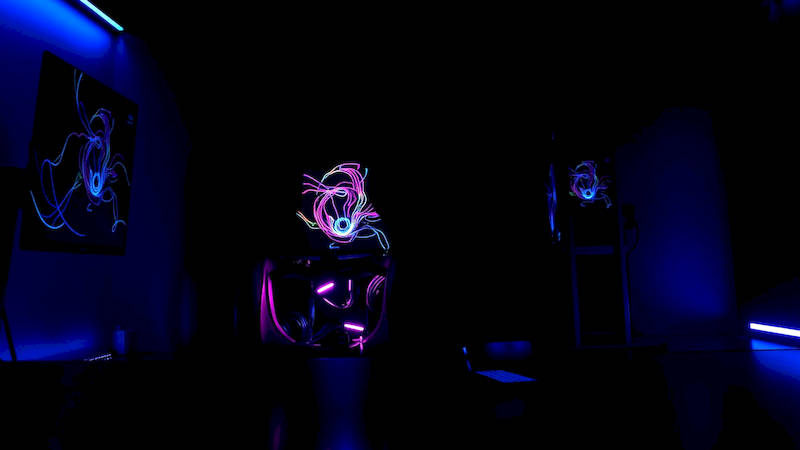
The allure of multi-screen gaming is powerful. Beyond mere aesthetics, a well-configured multi-monitor setup offers strategic advantages, increased productivity, and a level of immersion traditional single-screen setups simply can't match. Imagine dedicated screens for game stats, voice chat, or streaming tools, leaving your primary display uncluttered for pure gameplay. However, the idea can seem daunting, and shockingly expensive. Many gamers assume a multi-monitor experience is reserved for those with deep pockets. This isn’t necessarily true. With a bit of planning, savvy shopping, and a willingness to explore alternatives, creating a compelling multi-screen gaming rig is achievable even on a limited budget.
For years, multi-monitor setups were primarily the domain of flight sim enthusiasts and traders needing vast financial data displays. But with the rise of esports, streaming, and increasingly complex game experiences, the demand for the spatial and informational advantages a multi-screen array provides has exploded. The benefits extend beyond the competitive edge; a multi-screen setup can significantly improve the overall gaming experience, reducing eye strain and maximizing enjoyment. This article will guide you through the process of building a multi-screen gaming display, focusing on cost-effective strategies and practical considerations to get you gaming across multiple displays without breaking the bank.
- Assessing Your Needs and Hardware Compatibility
- Sourcing Affordable Monitors: New, Used, and Alternatives
- Connecting and Configuring Your Displays: Software & Hardware
- Utilizing Software for Multi-Screen Management and Automation
- Optimizing Game Settings for Multi-Monitor Gaming
- Budget Considerations and Potential Upgrade Paths
- Conclusion: Embracing the Multi-Screen Advantage Responsibly
Assessing Your Needs and Hardware Compatibility
Before diving into purchase decisions, realistically assess why you want a multi-screen setup. Are you a serious esports competitor needing constant stat monitoring? A streamer wanting clean, dedicated broadcast displays? Or simply a gamer desiring greater immersion? Your specific needs will dictate the number of screens, their size, resolution, and the necessary hardware. Consider the games you play most frequently. Fast-paced first-person shooters may benefit more from a wider overall field of view and the ability to glance at secondary information, while RPGs can utilize a second screen for maps, guides, or lore.
Crucially, check your graphics card. The number of available display outputs (HDMI, DisplayPort, DVI) directly limits how many monitors you can connect. Most modern GPUs support at least three displays, but older or lower-end cards might be limited to two. Consult your GPU’s specifications online. Beyond the number of outputs, also consider the version of those ports. Older HDMI or DisplayPort versions might not support higher resolutions or refresh rates, potentially bottlenecking your setup. Finally, confirm your motherboard has sufficient video memory bandwidth to handle the increased load of driving multiple displays at your desired resolutions. A weak GPU paired with multiple high-resolution monitors will lead to significant performance drops.
Understanding the resolutions you’re aiming for is equally important. Mixing resolutions can be done, but it's generally less than ideal. Aim for uniformity if feasible, as differing resolutions can cause scaling issues and visual inconsistencies. 1080p is a budget-friendly starting point, but consider 1440p if your GPU has the horsepower and you prefer sharper visuals. Ultimately, aligning your needs, GPU capabilities, and resolution goals will shape the foundation of your budget multi-screen build.
Sourcing Affordable Monitors: New, Used, and Alternatives
Budget constraints often steer gamers toward used markets or lower-end new options. Websites like eBay, Craigslist, and Facebook Marketplace are excellent resources for finding discounted monitors. However, exercise caution: inspect the monitors thoroughly for dead pixels, backlight bleed, or physical damage before purchasing. Ask the seller to demonstrate the monitor functioning properly. A monitor with minor cosmetic blemishes can save significant money, but defects impacting the display quality are deal-breakers.
Don’t automatically dismiss older monitor technologies. While newer panels offer improvements in color accuracy and response times, older models can still provide a perfectly acceptable gaming experience. Look for monitors with low input lag and reasonable response times (5ms or lower), even if they lack the latest features. Another practical alternative is to consider monitors designed for office use, rather than exclusively gaming. These often have competitive pricing, and can provide adequate performance for secondary displays used for chats, streaming tools, or game information.
Beyond traditional monitors, consider utilizing older TVs as displays. While not ideal due to input lag and typically lower refresh rates, a smaller, older TV can function as a supplementary screen for non-critical information. This is a particularly attractive option if you already have a spare TV gathering dust. The key is to manage expectations; a TV won’t replicate the responsiveness of a dedicated gaming monitor, but it can be a cost-effective solution for expanding your screen real estate.
Connecting and Configuring Your Displays: Software & Hardware
Once you have acquired your monitors, connecting them is generally straightforward, but proper configuration is essential for optimal performance. Connect each monitor to your graphics card using the appropriate cables (HDMI or DisplayPort are recommended). Windows (or your operating system) should automatically detect the monitors, but you may need to manually configure them in the display settings.
Open the display settings (right-click on the desktop and select "Display settings") and arrange the virtual displays to match their physical arrangement on your desk. This ensures that when you move your mouse cursor off the edge of one screen, it appears on the adjacent screen in the correct location. Choose the “Extend these displays” option to utilize all monitors as a single, large desktop. You can also designate a primary display, which will be the main screen for launching applications and displaying the taskbar.
Experiment with different display resolutions and refresh rates to find the optimal settings for your setup. Pay attention to performance; if you experience frame drops, try lowering the resolution or refresh rate on one or more screens. Nvidia and AMD both offer software (Nvidia Control Panel and AMD Radeon Software) that provides advanced display settings and customization options, including the ability to create custom display profiles for different games or applications. Utilizing these tools will fine-tune performance and visual quality.
Utilizing Software for Multi-Screen Management and Automation
Maximizing the benefits of a multi-screen setup requires leveraging software designed for multi-monitor management. DisplayFusion is a popular choice, offering features like title bar customization, window management, and virtual desktops. It allows you to easily move windows between screens with keyboard shortcuts, create rules for specific applications, and manage multiple taskbars. Another useful tool is UltraMon, which provides similar functionality with a focus on maximizing screen space and improving workflow.
For gaming specifically, consider software that can bind game information or streaming tools to specific monitors. OBS Studio, a widely used streaming software, allows you to create custom scenes and output them to designated monitors, providing a dedicated stream preview or chat display. Similarly, monitoring software like MSI Afterburner or NZXT CAM can display system stats (CPU temperature, GPU usage, frame rate) on a separate screen, allowing you to keep a close eye on performance without interrupting gameplay.
Automating tasks across multiple screens can further enhance efficiency. Tools like AutoHotkey can be used to create custom scripts that move windows, launch applications, or perform other actions based on specific triggers, streamlining your workflow and maximizing productivity.
Optimizing Game Settings for Multi-Monitor Gaming
Not all games natively support multi-monitor gaming in the way enthusiasts hope. Often, the game will only render on a single primary display, even with multiple monitors connected. However, there are several workarounds. Firstly, check the game's settings menu; some games have explicit options to enable multi-monitor support or select a specific display for rendering.
If the game lacks native support, you can often force multi-monitor gaming using your graphics card's control panel. Nvidia Control Panel allows you to specify a primary display and configure surround gaming, effectively spanning the game across multiple monitors. AMD Radeon Software offers similar functionality with Eyefinity. However, be aware that using these features can significantly impact performance, as the GPU is rendering a much larger overall image.
For games that don’t support surround gaming but you want to display information on secondary monitors, consider using borderless windowed mode. This allows you to resize the game window and place it on any of your connected displays. However, borderless windowed mode can sometimes introduce input lag or reduce performance, so experiment with different settings to find the optimal balance. Finally, remember that performance optimization is key. Lowering graphics settings, reducing resolution, or disabling demanding visual effects can help maintain a smooth frame rate when gaming across multiple displays.
Budget Considerations and Potential Upgrade Paths
Building a multi-screen gaming setup on a budget requires careful planning and compromise. Setting a realistic budget beforehand ensures you don't overspend. Prioritize essential components like the graphics card and monitors over peripherals like specialized cables or stands. As mentioned, the used market is your friend. Don't be afraid to mix and match monitor sizes and resolutions, focusing on achieving the desired functionality without exceeding your budget.
A potential upgrade path is to start with two monitors and gradually add more as your budget allows. This provides a noticeable improvement over a single-screen setup without requiring a significant initial investment. Another option is to upgrade your graphics card later on, once you have the financial resources. A more powerful GPU will allow you to run more demanding games across multiple displays at higher resolutions and refresh rates.
Finally, consider reinvesting any money saved on the initial setup into ergonomic accessories like monitor arms and comfortable chairs. A well-organized and comfortable workspace is crucial for long gaming sessions and can prevent fatigue and strain.
Conclusion: Embracing the Multi-Screen Advantage Responsibly
A multi-screen gaming setup isn’t just about aesthetics; it’s about enhancing immersion, gaining a competitive edge, and unlocking a new level of gaming possibilities. While the initial cost can seem daunting, this guide has demonstrated that creating a compelling multi-screen rig is achievable even on a limited budget. The key lies in careful planning, savvy shopping, and a willingness to explore alternative solutions.
Remember to assess your needs, check your hardware compatibility, source affordable monitors, and master the art of software configuration. Don’t be afraid to experiment with different settings and utilize the wealth of resources available online. By embracing a strategic approach and prioritizing functionality over extravagance, you can transform your gaming experience and unlock the full potential of multi-screen gaming without emptying your wallet. Start small, iterate, and most importantly, enjoy the increased immersion and control that a multi-screen display provides.
Deja una respuesta