
How Smart Camping Tents with Climate Control Are Changing Outdoor Stays
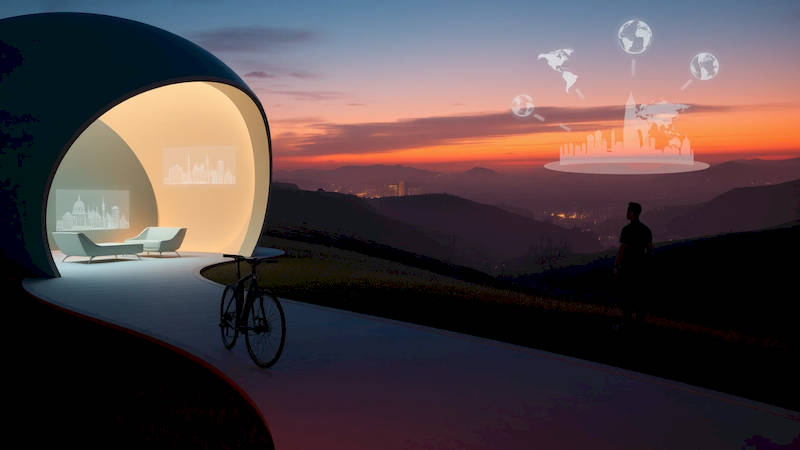
The allure of the great outdoors – the crisp air, the stunning vistas, the disconnection from the everyday – has always been powerful. However, for many, the reality of camping often clashes with the romantic ideal. Uncomfortable temperatures, unpredictable weather, and the general hardships of traditional camping can deter even the most enthusiastic adventurer. But a new wave of innovation is transforming the camping experience, and at the heart of this revolution are smart camping tents with integrated climate control. These aren't merely improvements on existing tents; they’re conceptually different, offering a level of comfort and convenience previously unimaginable in the backcountry.
The traditional image of "roughing it" is being challenged as technology allows us to enjoy nature without sacrificing essential comforts. This isn’t about coddling campers, but about making the outdoors accessible to a wider range of people, extending camping seasons, and enhancing safety. Smart tents represent a convergence of materials science, sensor technology, and intelligent automation, offering features like automated heating and cooling, air purification, and even remote monitoring. This article dives deep into the functionalities, benefits, current market, and future potential of these groundbreaking camping shelters, exploring how they are redefining what it means to experience the wilderness.
- The Core Technologies Powering Climate-Controlled Camping
- Benefits Beyond Comfort: Safety, Accessibility & Extended Seasons
- A Look at Current Market Offerings and Price Points
- Powering the Future: Energy Sources and Sustainability
- Addressing Common Concerns: Weight, Durability, and Reliability
- The Interconnected Tent: Smart Features and Future Innovations
- Conclusion: A New Era of Outdoor Enjoyment
The Core Technologies Powering Climate-Controlled Camping
The functionality of a smart, climate-controlled camping tent doesn’t stem from a single innovation, but a sophisticated combination of several key technologies working in concert. The foundation of this technology lies in advanced materials science, specifically in the development of fabrics that offer exceptional insulation and breathability. These aren’t your grandfather's canvas tents; modern smart tents often utilize multi-layered fabrics incorporating reflective coatings to minimize solar heat gain, and breathable membranes to prevent condensation buildup. These materials significantly reduce the energy needed to maintain a comfortable internal temperature.
Central to the climate control system is an integrated HVAC unit, typically powered by a rechargeable battery pack, portable power station, or even solar panels. These units leverage miniature compressors and heat exchangers to either cool or heat the air within the tent. Sophisticated sensors constantly monitor both internal and external temperatures, humidity levels, and even air quality, feeding this data to a centralized control system. This allows the system to proactively adjust settings to maintain a pre-defined comfort level set by the camper. Finally, many smart tents incorporate built-in air purification systems, utilizing HEPA filters and activated carbon to remove dust, pollen, and other allergens, creating a healthier and more enjoyable environment.
Benefits Beyond Comfort: Safety, Accessibility & Extended Seasons
The advantages of climate-controlled camping extend far beyond simply staying comfortable. The enhanced safety features these tents offer are particularly significant. Extreme weather events are becoming increasingly common, and a smart tent can provide a crucial buffer against rapidly changing conditions. Automated heating can prevent hypothermia in unexpectedly cold temperatures, while integrated cooling can protect against heatstroke during extreme heat waves. Many models also include features such as automated ventilation to prevent carbon monoxide buildup from portable stoves or heaters, further enhancing camper safety.
These tents also broaden accessibility to outdoor experiences. For individuals with medical conditions sensitive to temperature fluctuations, or for families with young children, the ability to reliably control the tent environment can be a game-changer. They open up camping to a wider demographic, including those who might have previously been hesitant due to concerns about discomfort or health. Furthermore, smart tents dramatically extend the camping season. Regions once limited to fair-weather camping can now be enjoyed year-round, creating opportunities for truly immersive outdoor experiences regardless of the prevailing climate.
A Look at Current Market Offerings and Price Points
The market for smart camping tents is still relatively new, but it’s expanding rapidly with a diverse range of features and price points. Currently, several companies are at the forefront of this innovation. Dutch company, Younique offers a fully automated tent that heats, cools, and purifies the air. It’s a premium option, costing around $2,500-$3,500 depending on size and features. Other manufacturers, like Somnium Space, are carving niches with more targeted climate control solutions, focusing on heating and ventilation, and priced between $800 and $1,500.
Interestingly, a growing trend involves DIY kits and retrofitting solutions, allowing campers to add climate control functionality to existing traditional tents. These kits typically include a mini-split air conditioner, a battery power supply, and the necessary mounting hardware, and can range in price from $300 to $800. However, these DIY solutions often require some technical expertise for installation and may lack the integrated features and safety protocols of purpose-built smart tents. The price range reflects the level of automation, the sophistication of the climate control system, and the quality of the materials used in the tent’s construction.
Powering the Future: Energy Sources and Sustainability
A key consideration for any climate-controlled device is its energy consumption and environmental impact. Early models of smart camping tents relied heavily on fossil fuel-powered generators for electricity, diminishing some of the appeal of being in nature. However, current trends are focusing on more sustainable power sources. Solar power is becoming increasingly prevalent, with many tents designed to integrate with portable solar panels. High-efficiency solar panels can provide sufficient power to run the climate control system, lighting, and other small electronic devices, making off-grid camping truly independent.
However, solar power has its limitations, particularly in cloudy conditions or during winter months. Therefore, many campers are opting for portable power stations – essentially large rechargeable batteries – that can be charged from both solar panels and traditional AC power sources. Lithium-ion battery technology is becoming more affordable and energy-dense, allowing for longer runtimes and more reliable performance. Looking ahead, advancements in battery technology, such as solid-state batteries, promise even greater energy storage capacity and safety. The push towards sustainability is also driving manufacturers to explore energy-efficient HVAC systems and utilize recycled materials in tent construction.
Addressing Common Concerns: Weight, Durability, and Reliability
While offering undeniable advantages, smart camping tents aren't without their drawbacks. One of the most significant concerns is weight. The inclusion of HVAC systems, battery packs, and advanced sensors inevitably adds significant weight compared to traditional tents. This can be a critical factor for backpackers and hikers who prioritize minimal pack weight. Manufacturers are addressing this challenge by utilizing lightweight materials, optimizing the design of the HVAC unit, and developing more compact battery technologies.
Durability is another concern, as the integrated electronics are more susceptible to damage from rough handling or harsh weather conditions. Smart tent manufacturers are responding by employing ruggedized components and waterproof enclosures to protect the sensitive electronics. Reliability is also paramount, as a malfunctioning climate control system can render a tent uninhabitable. Redundancy in the system (e.g., dual sensors, backup power supply) and robust quality control measures are essential to ensure reliable performance. Consumers are also advised to carefully review warranty information and read user reviews before making a purchase.
The Interconnected Tent: Smart Features and Future Innovations
The future of smart camping tents extends far beyond basic climate control. The trend towards interconnectedness is already shaping the next generation of these shelters. Features like remote monitoring via smartphone apps, allowing campers to adjust temperature settings or receive alerts about potential issues, are becoming increasingly common. Integration with weather forecasting services provides proactive adjustments to the climate control system, ensuring optimal comfort even before changes in the weather are felt.
Further innovations are on the horizon. Expect to see tents with integrated air quality sensors that can detect harmful gases or pollutants, automated window coverings that adjust to optimize sunlight and privacy, and even integrated mosquito netting systems that deploy automatically. The potential for personalized comfort settings, based on individual camper preferences and physiological data (e.g., heart rate, body temperature), is also being explored. Ultimately, the goal is to create a truly intelligent camping experience that adapts to the camper's needs and enhances their connection with the natural world.
Conclusion: A New Era of Outdoor Enjoyment
Smart camping tents with climate control represent a paradigm shift in the outdoor recreation industry. They’re moving beyond simply providing shelter to delivering a personalized, comfortable, and safe camping experience. While initial costs may be higher than traditional tents, the benefits—extended seasons, enhanced safety, increased accessibility, and improved comfort—make them a compelling investment for serious outdoor enthusiasts. The technology is still evolving, with ongoing advancements in materials science, energy storage, and smart features promising even more innovative solutions in the years to come.
For those considering entering the world of smart camping, a careful assessment of individual needs and priorities is essential. Consider the weight limitations, power requirements, and intended use cases. Research different models, read user reviews, and compare features before making a purchase. The future of camping isn’t about roughing it; it's about seamlessly integrating technology to enhance our connection with nature and make the great outdoors accessible to everyone. This isn’t a replacement of traditional camping, but an expansion of possibilities, allowing for a more comfortable and enjoyable experience for a wider range of adventurers.
Deja una respuesta