
Top Compact Power Stations for Emergency Home Backup
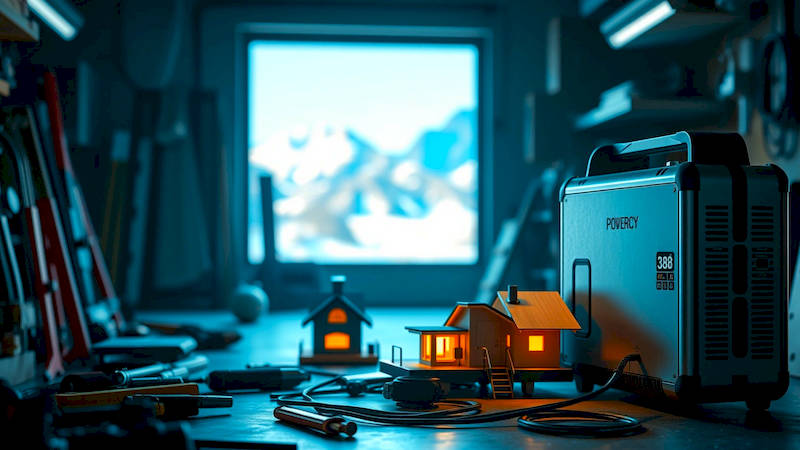
The increasing frequency and severity of weather-related power outages, coupled with aging grid infrastructure, have made reliable home backup power a necessity, not a luxury. While whole-house generators offer robust solutions, their cost, installation complexity, and reliance on fossil fuels can be significant drawbacks. Enter the compact power station – a rapidly evolving technology offering a portable, versatile, and increasingly powerful alternative for keeping essential appliances running during emergencies. These units, often utilizing lithium-ion battery technology, are becoming powerful enough to handle critical loads and provide peace of mind. This article dives deep into the world of compact power stations, outlining key considerations for selecting the right one for emergency home backup, reviewing top models, and providing practical guidance for maximizing their effectiveness. We’ll go beyond just specifications, focusing on real-world applications and long-term value.
The modern compact power station isn't simply a large battery; it's a sophisticated energy management system. Offering a cleaner, quieter operation than traditional gas generators, they are attracting a growing consumer base. Furthermore, many units can be recharged via solar panels, providing an off-grid charging solution and reducing reliance on the electrical grid. However, it’s crucial to understand the limitations. A 'compact' power station, by definition, isn’t going to power your entire house; the focus is on providing targeted backup for essential devices. We’ll explore how to calculate your needs and select a unit that offers the optimal balance of power, portability, and price.
- Understanding Your Power Needs for Backup
- Key Features to Consider When Choosing a Power Station
- Top Compact Power Station Models for Home Backup (2024)
- Maximizing Runtime: Efficiency Tips and Tricks
- Solar Charging: Off-Grid Power Independence
- Safety Considerations and Maintenance
- A Note on UPS Functionality
- Conclusion: Empowering Resilience
Understanding Your Power Needs for Backup
Before diving into specific models, the absolute first step is a comprehensive assessment of your power needs. This isn't just guessing; it involves identifying which appliances are truly essential during an outage and calculating their wattage requirements. Many devices list their power draw directly on the unit itself or in the owner’s manual. Consider what you absolutely cannot live without – things like medical devices (CPAP machines, oxygen concentrators), essential refrigeration (insulin, medications), communication devices (phones, internet access via modem/router), and potentially lighting. Prioritize these items.
Calculating wattage is straightforward: multiply the voltage (typically 120V in North America) by the amperage (amps). For example, a refrigerator might draw 2 amps, resulting in 240 watts. It is crucial to account for starting wattage, which is often significantly higher than running wattage, particularly for appliances with motors like refrigerators, freezers, and air conditioners. Starting wattage can be 2-5 times the running wattage. A useful tactic is to make a spreadsheet listing each essential appliance, its running wattage, and its surge (starting) wattage. Summing these will provide a clear picture of your total power requirement. A power station’s capacity is generally measured in Watt-hours (Wh) – the higher the Wh, the longer it can power devices.
Finally, recognize the difference between continuous and peak power output. The continuous power output is the sustained level the power station can deliver, while the peak (or surge) power output is a brief burst of higher power to handle starting appliances. Ensure your power station's peak output exceeds the highest starting wattage requirement of any device you plan to run.
Key Features to Consider When Choosing a Power Station
Beyond capacity (Wh) and output (Watts), several key features differentiate power stations. Portability, while inherent in the "compact" category, varies significantly. Consider the weight and whether it has a comfortable handle for easy maneuvering. The number and type of outlets are also important. Look for a combination of AC outlets (standard wall plugs), DC outlets (for car chargers and other 12V devices), and USB ports (including USB-C Power Delivery for faster charging of laptops and smartphones).
The type of battery used significantly impacts performance and lifespan. Lithium-ion batteries are the industry standard due to their high energy density, light weight, and relatively long lifespan. However, Lithium Iron Phosphate (LiFePO4) batteries are gaining traction. LiFePO4 batteries boast a longer lifespan (often exceeding 3,000 cycles compared to 500-1,000 for standard lithium-ion), enhanced thermal stability (reducing fire risk), and a greater number of charge/discharge cycles. Finally, consider recharge options. Most power stations can be recharged via AC outlet, but the ability to recharge via solar panels is a significant advantage for extended outages. Check the power station’s solar input specifications (voltage and amperage) and ensure compatibility with your chosen solar panels.
Top Compact Power Station Models for Home Backup (2024)
Several brands consistently receive high marks for reliability and performance. EcoFlow, Bluetti, Jackery, and Goal Zero are popular choices. The EcoFlow Delta 2, with a capacity of 1024Wh and a 1800W output (2700W surge), is a strong contender, offering a balance of power, portability, and expandability. It’s fast charging capabilities – 0-80% in around 50 minutes – are a major benefit. Bluetti’s AC200MAX, boasting 2048Wh and a 2200W output (4800W surge), provides even greater capacity and is highly regarded for its customization options, allowing users to add expansion batteries for significantly increased storage.
Jackery’s Explorer 1000 Plus offers 1264Wh and 2000W output, delivering ample power in a reasonably portable package. It’s known for its user-friendliness and quiet operation. Goal Zero’s Yeti 1500X, while pricier, is a robust option praised for its build quality and wide range of features. It offers 1536Wh and 2000W output. Choosing the best model depends on your specific needs and budget. For infrequent, short outages powering essential devices, a 500-1000Wh unit might suffice. For more frequent or prolonged outages and the need to power more appliances, a 1500Wh+ model is a better investment.
Maximizing Runtime: Efficiency Tips and Tricks
Once you've selected a power station, maximizing its runtime is crucial. The most effective strategy is minimizing power consumption. Replace incandescent light bulbs with energy-efficient LEDs. Unplug devices when not in use, as many draw "phantom power" even when switched off. Limit the opening of refrigerators and freezers to conserve energy.
Consider using a separate, small refrigerator or freezer dedicated solely to essential items, rather than leaving a large appliance running. When using a laptop or phone, adjust screen brightness and close unnecessary applications. In some cases, switching to DC power for compatible devices can be more efficient than using the AC inverter. Finally, monitor your power station’s remaining capacity regularly and avoid completely depleting the battery, as this can shorten its lifespan. Aim to recharge it when it reaches around 20-30% capacity.
Solar Charging: Off-Grid Power Independence
Adding solar panels to your setup dramatically expands your power independence during extended outages. The amount of solar power you generate depends on several factors, including panel wattage, sunlight intensity, angle of incidence, and weather conditions. As a general rule, a 100W solar panel can generate around 50-75Wh of electricity on a sunny day.
Calculate the number of solar panels needed based on your power station’s input specifications and your average daily energy consumption. Consider using foldable, portable solar panels for ease of storage and transport. Properly orient the panels towards the sun for optimal power generation. An MPPT (Maximum Power Point Tracking) charge controller is essential for maximizing energy harvest from solar panels, and most modern power stations incorporate this technology. Remember that solar charging is heavily dependent on weather, so it’s important to have a backup charging option (AC outlet) available.
Safety Considerations and Maintenance
While compact power stations are generally safe, it's important to follow basic safety precautions. Never overload the power station by exceeding its maximum output capacity. Do not expose the unit to extreme temperatures or moisture. Use only compatible charging cables and accessories. Store the power station in a well-ventilated area, away from flammable materials.
Regular maintenance involves periodically cleaning the unit and checking the battery health. Most power stations have a battery management system (BMS) that provides information about battery status. Avoid storing the power station with a fully depleted battery; maintain a charge level of around 50-60% for long-term storage. Following these simple guidelines will ensure the longevity and safe operation of your power station.
A Note on UPS Functionality
Some power stations offer an Uninterruptible Power Supply (UPS) function. This automatically switches to battery power in the event of a grid outage, providing seamless power continuation for sensitive electronics. This is critical for medical devices or equipment that cannot tolerate even micro-interruptions in power. However, UPS functionality often draws a small amount of power even when the grid is online, slightly reducing overall runtime. Consider whether the benefit of seamless switching outweighs the minor power consumption.
Conclusion: Empowering Resilience
Compact power stations have evolved from niche gadgets to viable emergency home backup solutions. They offer a compelling alternative to traditional generators, providing a portable, quiet, and cleaner power source. The key to success lies in careful planning – calculating your power needs, selecting a model that meets those needs, and understanding how to maximize runtime through efficient energy practices and potential solar integration. Don’t underestimate the power of preparation. Invest in a quality power station, develop a comprehensive emergency plan, and ensure you have the knowledge and tools to stay connected and comfortable when the grid goes down. The peace of mind knowing you can maintain essential services during an emergency is a valuable investment, and one that’s increasingly vital in today’s unpredictable world. Take the time now to assess your needs and choose a power station that empowers your resilience.
Deja una respuesta