
Portable Power Solutions for Remote Work: Essential Devices and Setup
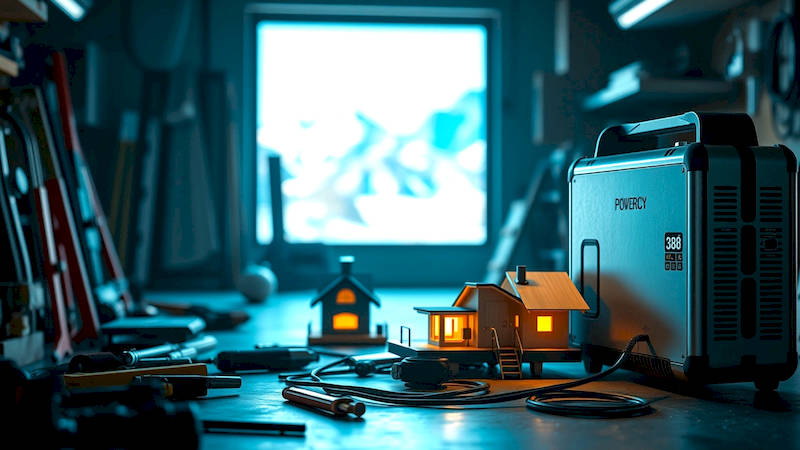
The rise of remote work has been one of the defining shifts of the 21st century, accelerated dramatically by recent global events. No longer tethered to the traditional office, professionals are setting up workspaces in coffee shops, co-working spaces, vacation rentals, and even while traveling. This newfound freedom, however, comes with a unique challenge: reliable power. A dead laptop during a crucial presentation, a dropped video call mid-negotiation, or lost work due to an unexpected outage can be devastating for productivity and professionalism. Fortunately, a growing ecosystem of portable power solutions offers a lifeline for the modern remote worker.
This isn't just about having a power bank for your phone anymore. We’re talking about robust, high-capacity devices capable of powering laptops, monitors, and even essential work-from-home peripherals for extended periods. The selection can be overwhelming, with varying technologies, capacities, and price points. Understanding these options and building a tailored portable power setup is now a critical element of ensuring a seamless and productive remote work experience. A well-considered setup can unlock complete location independence, allowing you to work from anywhere with confidence and without the anxiety of a dwindling battery.
This article dives deep into the world of portable power specifically for remote work, exploring the essential devices, optimal setup strategies, and considerations for choosing the right solutions to match your individual needs. We will cover everything from power banks and portable chargers to larger power stations, solar charging options, and best practices for maximizing efficiency.
- Understanding Your Power Needs: A Remote Work Power Audit
- Portable Power Banks: The Everyday Essential
- Stepping Up: Portable Power Stations – Powerhouse Productivity
- Harnessing the Sun: Solar Charging for Extended Independence
- Optimizing Power Usage: Conserving Energy While Remote
- Beyond the Basics: Accessories and Considerations
Understanding Your Power Needs: A Remote Work Power Audit
Before investing in any portable power solution, it’s crucial to understand your energy demands. This begins with a power audit – a detailed assessment of all the devices you need to power during a typical workday. Consider not just your laptop, but also your monitor, smartphone, wireless headphones, web camera, and any other peripherals. Each device consumes a specific amount of power, measured in Watts (W). This is the foundational step in informing all further decisions.
Begin by identifying the wattage requirements for each device. This information is usually printed on the device itself, its power adapter, or can be found in the manufacturer's specifications online. For laptops, note the wattage of your charger – that’s a good indication of its power draw. Don’t forget to account for peak wattage, as some devices draw more power during specific operations (like charging or demanding tasks). Many devices now support Power Delivery (PD) which allows for faster and more efficient charging but requires compatible chargers and cables.
Furthermore, estimate how long you'll need to power each device. A typical workday is eight hours, but consider potential overtime or situations where access to traditional power is limited. Multiplying wattage by runtime gives you Watt-hours (Wh) – a critical metric for evaluating portable power devices. For example, a 65W laptop used for 8 hours requires 520Wh of energy. This initial power assessment will streamline the selection process and prevent purchasing underpowered solutions.
Portable Power Banks: The Everyday Essential
Portable power banks are the most common and affordable entry point into the world of portable power. These devices store energy in rechargeable batteries and deliver power through USB ports, typically USB-A and increasingly USB-C with Power Delivery (PD). While they excel at charging smartphones and tablets, modern power banks with higher capacities and PD support can also provide significant boosts to laptops.
The key specification for a power bank is its capacity, measured in milliampere-hours (mAh) or Watt-hours (Wh). A typical smartphone might require 5,000mAh to fully charge, while a laptop could require 20,000mAh or more. Look for power banks with at least 20,000mAh and PD output for laptop charging. Consider features like multiple output ports for charging several devices simultaneously and pass-through charging, which allows you to charge the power bank itself while simultaneously charging other devices. Brands like Anker, Mophie, and RAVPower are consistently ranked highly for reliability and performance.
However, it’s important to understand limitations. Power banks are relatively low capacity compared to other solutions, meaning they’ll provide a partial charge at best for most laptops. They are ideal for topping up devices, extending runtime during short commutes, or providing emergency power but are unlikely to sustain a full workday without access to a wall outlet.
Stepping Up: Portable Power Stations – Powerhouse Productivity
For more demanding power needs, particularly for extended remote work sessions, portable power stations are a game-changer. These devices are essentially larger, more powerful versions of power banks, featuring higher capacity batteries, multiple AC outlets, USB ports, and often DC outlets. They can power laptops, monitors, cameras, and even small appliances.
A key difference between power stations and power banks is capacity, measured in Watt-hours (Wh). Power stations typically range from 200Wh to over 2000Wh. A 500Wh power station, for example, could power a 65W laptop for approximately 7-8 hours. Many power stations also incorporate sophisticated battery management systems (BMS) for safety and longevity, as well as features like pure sine wave inverters, essential for sensitive electronics. Popular brands include Jackery, Goal Zero, and Bluetti.
Consider the portability factor. While power stations offer substantial power, they can be heavy and bulky. Choose a model that balances capacity with weight and dimensions, based on your transportation needs. Some models are designed with built-in handles and wheels for easier maneuverability. The cost of power stations is also higher than power banks, reflecting their increased capacity and features.
Harnessing the Sun: Solar Charging for Extended Independence
For those seeking truly off-grid power solutions, integrating solar charging into your portable power setup unlocks unparalleled independence. Solar panels convert sunlight into electricity, which can be used to directly power devices or to charge a power bank or power station. This is particularly useful for remote work in locations without access to traditional power, such as camping, outdoor events, or emergency situations.
The key specification for solar panels is wattage. Higher wattage panels generate more power, but are also typically larger and more expensive. A 100W solar panel can generate enough power to charge a smartphone or partially charge a power bank in a few hours under ideal conditions. To fully charge a power station, you'll likely need a larger panel or multiple panels connected in parallel.
Compatibility is crucial. Ensure the solar panel is compatible with your power bank or power station’s charging input. Most power stations accept DC input, and some support Maximum Power Point Tracking (MPPT) technology, which optimizes energy harvesting from solar panels. Be aware that solar charging efficiency is dependent on sunlight availability, weather conditions, and panel orientation. Cloud cover or shade will significantly reduce power output.
Optimizing Power Usage: Conserving Energy While Remote
Investing in portable power is only half the battle. Maximizing battery life and minimizing energy consumption are equally important. Start with power management settings on your devices. Enable battery saver modes on your laptop and smartphone, and dim the screen brightness. Close unused applications and disable unnecessary background processes.
Consider using power-efficient peripherals. Opt for wireless mice and keyboards with low energy consumption. Use external monitors sparingly, as they can consume significant power. Additionally, be mindful of your Wi-Fi connection. Constantly searching for a signal drains battery life. When possible, connect to a stable Wi-Fi network or use Ethernet for a more reliable and energy-efficient connection. Finally, properly maintaining your batteries extends their lifespan. Avoid fully discharging them regularly and store them in a cool, dry place when not in use.
Beyond the Basics: Accessories and Considerations
Building a robust portable power setup often requires more than just the core power source. Invest in high-quality charging cables, especially USB-C cables that support Power Delivery. A multi-port USB charger can streamline charging multiple devices simultaneously. Consider a surge protector to safeguard sensitive electronics from voltage fluctuations. Light-weight and durable carrying cases are essential for transportation and protection.
Finally, regularly test your entire setup to ensure all components are functioning correctly. Check battery levels, charging speeds, and output voltages. This proactive approach ensures that you’re prepared for any situation and can rely on your portable power solution when you need it most.
In conclusion, portable power solutions have become indispensable tools for the modern remote worker, offering the freedom to work from anywhere without being constrained by access to traditional power. By carefully assessing your power needs, investing in the right devices – from power banks to power stations and solar panels – and adopting energy-saving practices, you can create a reliable and efficient portable power setup. Remember to prioritize practicality, portability, and compatibility when making your selections. The initial investment in a well-chosen system will pay dividends in increased productivity, peace of mind, and true location independence. Start by undertaking a thorough power audit, explore the options outlined in this guide, and empower your remote work lifestyle today.
Deja una respuesta