
How Fitness Gadgets Empower Senior Citizens for Better Health Management
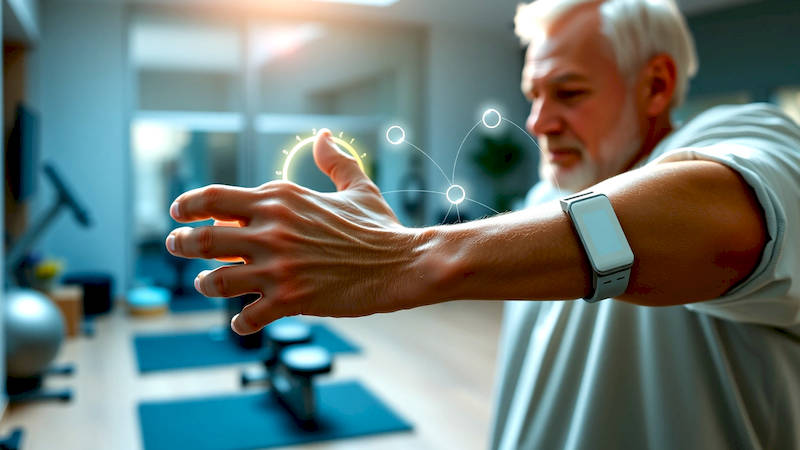
The aging process brings inherent physiological changes that often necessitate proactive health management. While maintaining vitality and independence is a universal desire, seniors frequently face unique challenges – reduced mobility, chronic conditions, and concerns about falls. Traditionally, managing these challenges relied heavily on periodic doctor visits and self-monitoring. However, a new wave of technology, specifically wearable fitness gadgets and smart health monitoring devices, is dramatically shifting this paradigm. These tools aren’t just about tracking steps; they’re becoming powerful allies in promoting preventative care, facilitating remote monitoring, and empowering seniors to take control of their well-being.
The increasing prevalence of age-related health issues underscores the importance of accessible and effective health management solutions. According to the CDC, approximately 6 in 10 adults in the US have a chronic disease, and these conditions are more common among older adults. This statistic highlights the critical need for tools that support early detection, consistent monitoring, and personalized interventions. Fitness gadgets, evolving beyond simple pedometers, now offer a wealth of features tailored to seniors’ needs, bridging the gap between healthcare providers and daily life, and fostering a more engaged and proactive approach to senior health.
This article explores the multifaceted ways in which fitness gadgets are empowering senior citizens for better health management, delving into the specific technologies available, their benefits, potential challenges, and best practices for implementation. We will move beyond anecdotal evidence to examine data, expert opinions, and real-world applications, providing a comprehensive overview for seniors, caregivers, and healthcare professionals alike. Ultimately, we aim to demonstrate how these devices are not merely technological novelties, but vital tools reshaping the landscape of senior healthcare.
The Spectrum of Fitness Gadgets for Seniors: Beyond Basic Step Counting
The fitness gadget market caters to a broad range of needs, and the options available to seniors extend far beyond basic step trackers. While simple activity trackers remain a popular starting point, modern devices offer a sophisticated suite of features including heart rate monitoring, sleep analysis, fall detection, GPS tracking, and even blood oxygen level measurements. Wearable options range from smartwatches that resemble traditional timepieces to discreet pendants and clip-on devices designed for ease of use. Furthermore, non-wearable sensors, such as smart scales and blood pressure cuffs, integrate seamlessly into home health monitoring systems, providing a holistic picture of a senior's health status. Crucially, the growing integration of these devices with telehealth platforms allows for remote monitoring by healthcare professionals and proactive intervention when necessary.
A key advancement is the development of devices specifically designed with senior-friendly interfaces. Large, clear displays, simplified menus, and voice control features cater to varying levels of technological literacy and address potential visual or dexterity impairments. Features like automatic data syncing and long battery life minimize the burden of maintenance. For instance, the Apple Watch Series 8 offers fall detection with automatic emergency services calling, while Fitbit devices provide detailed sleep analysis that can highlight potential sleep disorders. Numerous companies are now focusing on creating devices that are not just technologically advanced but also user-centered, recognizing that successful adoption hinges on simplicity and accessibility. The focus is shifting to seamless integration into daily routines rather than complex technological interactions.
Moreover, the sophistication of data analytics is increasing. These aren’t simply devices that tell someone how much they’ve moved, they’re capable of identifying patterns and trends, and providing personalized insights. A sudden decrease in activity levels, for example, could signal a potential health issue requiring attention. This predictive capability is especially valuable for seniors living independently, offering an early warning system to both the individual and their support network.
Cardiovascular Health Monitoring & Management
Cardiovascular disease remains a leading cause of mortality and morbidity among seniors. Fitness gadgets equipped with heart rate monitoring capabilities play a vital role in proactive cardiovascular health management. Continuous monitoring allows for the detection of irregular heart rhythms (arrhythmias) like atrial fibrillation, which significantly increases stroke risk. Many devices now feature electrocardiogram (ECG) functionality, providing a medical-grade heart tracing that can be shared with a physician for analysis. Regular monitoring can also help seniors stay within target heart rate zones during exercise, maximizing the benefits of physical activity while minimizing risks.
Beyond detecting abnormalities, fitness gadgets can motivate seniors to adopt heart-healthy behaviors. By tracking progress towards fitness goals and providing positive reinforcement, these devices can encourage increased physical activity and adherence to exercise programs. Some devices even integrate with cardiac rehabilitation programs, providing real-time feedback and guidance. Furthermore, the data collected can provide valuable insights into how different activities and lifestyle factors impact cardiovascular health, empowering seniors to make informed choices. A study published in the Journal of the American Geriatrics Society found that seniors who used wearable activity trackers showed a significant increase in daily step count and improved cardiovascular fitness.
However, it’s vital to remember that these devices are not intended to replace traditional medical care. Irregular heart rate readings or any concerning symptoms should always be reported to a physician. The data provided by fitness gadgets should be viewed as a supplement to, not a substitute for, professional medical advice and diagnosis.
Fall Detection and Prevention: A Critical Safety Feature
Falls are a major concern for seniors, leading to injuries, hospitalizations, and a diminished quality of life. Fitness gadgets equipped with fall detection technology can automatically detect falls and alert emergency contacts or emergency services, often significantly reducing response times. Most fall detection systems utilize a combination of sensors, including accelerometers and gyroscopes, to identify sudden changes in motion and impact forces consistent with a fall.
The accuracy of fall detection technology varies between devices. Some systems are prone to false alarms, triggered by activities like quickly sitting down or bending over. However, advancements in algorithms are continually improving accuracy and reducing the incidence of false positives. It’s important for seniors to understand how the fall detection feature works on their specific device and to test it regularly to ensure it’s functioning correctly. Beyond fall detection, many gadgets now incorporate features aimed at fall prevention. These include reminders to stand up and move, balance training exercises delivered through apps, and even alerts if a senior is walking in an area with known hazards.
Companies like Lively and Apple have placed significant emphasis on fall detection, recognizing its potential to dramatically improve senior safety. A recent case study demonstrated that a senior citizen wearing an Apple Watch was able to receive immediate medical assistance after a fall, preventing a potentially life-threatening situation. This highlights the tangible benefits of this technology in real-world scenarios.
Sleep Monitoring and its Impact on Cognitive Health
Quality sleep is essential for overall health and well-being, and its importance becomes even more pronounced with age. Sleep disturbances are common among seniors and contribute to a range of health problems, including cognitive decline, increased risk of falls, and mood disorders. Fitness gadgets equipped with sleep monitoring capabilities can track sleep duration, sleep stages (light, deep, REM), and sleep quality. This data can provide valuable insights into underlying sleep problems and help seniors identify factors that may be disrupting their sleep.
Many devices also offer personalized recommendations for improving sleep hygiene, such as adjusting bedtime routines, optimizing sleep environments, and avoiding caffeine or alcohol before bed. Furthermore, some apps integrate with smart home devices, allowing for automated adjustments to lighting and temperature to create a more conducive sleep environment. The impact of adequate sleep on cognitive function is well-documented. Studies have shown that improving sleep quality can enhance memory, attention, and overall cognitive performance in seniors.
However, it’s crucial to remember that fitness gadgets provide an estimate of sleep quality and are not a substitute for a professional sleep study. If a senior is experiencing persistent sleep problems, they should consult with a physician to rule out underlying medical conditions.
Navigating the Challenges and Ensuring Data Privacy
Despite the numerous benefits, several challenges remain in the widespread adoption of fitness gadgets among seniors. Technological literacy is a significant barrier for some, and many seniors may require assistance setting up and using these devices. Cost can also be a factor, particularly for seniors on fixed incomes. Data privacy is another important consideration, as these devices collect sensitive personal health information. Seniors need to be aware of how their data is being used and shared and choose devices from reputable companies with strong data security protocols.
Furthermore, the "data overload" phenomenon can be overwhelming. Seniors may struggle to interpret the data collected by their devices and may become discouraged if they don’t understand how to use it effectively. Healthcare providers can play a crucial role in helping seniors understand their data and integrate it into their overall health management plan. Simple, user-friendly reporting tools and clear explanations are essential for maximizing the impact of these devices. A growing concern is the potential for inaccurate data, influenced by improper wearing of devices or technical glitches. Regular calibration and proper instruction can mitigate these risks.
In conclusion, fitness gadgets are rapidly becoming invaluable tools for empowering senior citizens to actively manage their health and maintain their independence. From proactive cardiovascular monitoring and fall detection to sleep analysis and personalized fitness guidance, these devices offer a wealth of benefits. While challenges related to technological literacy, cost, and data privacy remain, ongoing advancements in technology and a growing emphasis on user-centered design are driving broader adoption. The key to successful implementation lies in providing seniors with the necessary support, education, and encouragement to integrate these devices into their daily routines and leverage their full potential. For seniors, a proactive step is to discuss device options with their healthcare provider, while caregiver support and readily available tutorials can facilitate greater user adoption. Ultimately, fitness gadgets aren’t just about adding years to life; they’re about adding life to years, enabling seniors to live healthier, more fulfilling, and independent lives.
Deja una respuesta