
Using Textured Coatings to Reduce Fingerprint Visibility on Phones
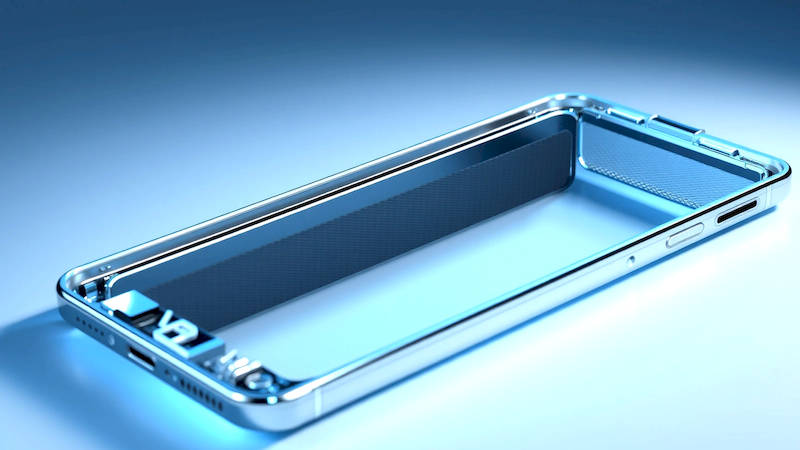
The pristine glass and metal aesthetics of modern smartphones are undeniably appealing. However, the curse of fingerprints – those smudgy, visible reminders of everyday use – constantly detract from that polished look. For years, manufacturers have battled this issue with oleophobic coatings, but their effectiveness degrades over time, requiring frequent cleaning. A new approach is gaining traction: the implementation of textured coatings that actively reduce the visibility of fingerprints, rather than simply repelling oils. This represents a significant shift in smartphone design, moving beyond purely aesthetic concerns to address a practical pain point for users. This article delves deep into the science of these textured coatings, exploring their mechanisms, materials, manufacturing challenges, current implementations, and future potential.
The quest for a fingerprint-resistant screen isn’t purely cosmetic. A visually cleaner phone contributes to a more premium user experience, and unsolicited fingerprints can feel unhygienic. Furthermore, the constant wiping creates micro-abrasions, potentially impacting the longevity of the display. While advancements in glass technology like Corning’s Gorilla Glass have focused on scratch resistance and durability, fingerprint visibility remained a persistent issue. This has sparked a surge in research and development focused on surface textures at the micro and nanoscale, seeking to disrupt the way light interacts with oily residues left behind by our fingers. The industry is recognizing that simply removing fingerprints isn't enough; making them less noticeable is the next frontier.
- The Science Behind the Stealth: How Textured Surfaces Minimize Fingerprint Visibility
- Material Innovations: Beyond Oleophobic Coatings
- Manufacturing Challenges and Scalability
- Current Implementations: Where We're Seeing Textured Coatings in Action
- Beyond Smartphones: Expanding Applications for Textured Coatings
- Future Trends and the Next Generation of Fingerprint Resistance
- Conclusion: A Paradigm Shift in Smartphone Surface Design
The Science Behind the Stealth: How Textured Surfaces Minimize Fingerprint Visibility
The effectiveness of textured coatings stems from a clever manipulation of light scattering. Smooth, glossy surfaces, like those typically found on smartphones, reflect light specularly – meaning in a single, direct direction. This focused reflection highlights the raised profile of oil deposits left by fingerprints, making them highly visible. Textured surfaces, however, scatter light diffusely, spreading the reflection across a wider area. This dispersion significantly diminishes the contrast between the fingerprint residue and the surrounding surface, effectively camouflaging them. Think of the difference between looking at a polished mirror versus looking at frosted glass; the latter obscures imperfections by diffusing light.
This principle operates on a micro-scale. Coatings aren’t simply “rough”; they feature precisely engineered patterns – lines, pyramids, or even randomized structures – typically measured in micrometers. The size and density of these textures are crucial. Too shallow, and the effect is minimal. Too deep, and the texture may interfere with touch sensitivity or create optical distortions. Finding the optimal balance requires sophisticated modeling and experimentation with different materials and fabrication techniques. Researchers at several universities have published studies demonstrating that specific textured patterns can reduce fingerprint visibility by up to 80%, a dramatic improvement over standard oleophobic coatings.
The geometry isn’t the only factor. The material used to create the texture also impacts performance. Materials with a lower refractive index contrast relative to air and the smartphone’s substrate tend to scatter light more effectively. This is why research is heavily skewed towards materials like specialized polymers and certain forms of silica. "The key isn’t just creating a texture, it’s creating the right texture with the right material," explains Dr. Emily Carter, a materials scientist specializing in optical coatings at MIT. “The goal is to minimize specular reflection and maximize diffuse scattering, making the fingerprints blend seamlessly into the background."
Material Innovations: Beyond Oleophobic Coatings
Traditional oleophobic coatings function by reducing the surface energy of the screen, causing oils to bead up and roll off. However, these coatings aren’t permanent; they wear away with abrasion and chemical exposure, requiring re-application or resulting in a gradual loss of effectiveness. Textured coatings, while often combined with oleophobic treatments for added protection, function independently by addressing the visibility of residues rather than their presence. This offers a more sustainable and long-lasting solution.
Several material families are showing promise. Magnesium fluoride (MgF2) is often used in anti-reflective coatings and demonstrates good light-scattering properties. However, its fragility limits its application as a standalone textured coating. Polymers with precisely controlled microstructures offer greater flexibility and durability. Researchers are exploring various polymer blends and nanocomposites to fine-tune their optical and mechanical properties. Furthermore, there’s burgeoning interest in bio-inspired textures – replicating the microstructures found on moth wings or lotus leaves, which exhibit exceptional anti-smudge and self-cleaning properties.
One intriguing development involves the use of nanoimprint lithography to create highly precise and repeatable textures on flexible substrates. This process involves pressing a mold with the desired nanoscale pattern onto a polymer film, effectively “imprinting” the texture onto the material. This allows for large-scale manufacturing of textured coatings with exceptional accuracy and consistency, a crucial requirement for mass production of smartphones.
Manufacturing Challenges and Scalability
While the scientific principles behind textured coatings are well established, translating these concepts into a viable manufacturing process presents significant challenges. The primary hurdle lies in scalability and cost-effectiveness. Creating precise microstructures over the large surface area of a smartphone display requires advanced fabrication techniques that can be implemented at high throughput.
Traditional methods like etching and laser ablation are too slow and expensive for mass production. The aforementioned nanoimprint lithography offers a potential solution, but requires specialized equipment and careful control of process parameters. Another promising technique is roll-to-roll processing, where a continuous polymer film is embossed with a patterned roller. This method is significantly faster and more cost-effective, but achieving consistent texture quality across the entire roll can be difficult.
Furthermore, integrating textured coatings into existing smartphone manufacturing workflows requires careful consideration. The coating process must be compatible with other components and materials used in the phone, and it shouldn’t compromise touch sensitivity or optical clarity. Manufacturers are also investing in research to ensure the durability of these coatings—they need to withstand everyday wear and tear without significant degradation.
Current Implementations: Where We're Seeing Textured Coatings in Action
Currently, fully textured coatings aren't yet ubiquitous in flagship smartphones, but their adoption is steadily increasing. Xiaomi was among the first major manufacturers to prominently feature a textured glass back on devices like the Xiaomi 13 Ultra. While marketed for its hand-feel and grip, the texture also significantly reduces fingerprint visibility compared to traditional glossy glass. This serves as a real-world example illustrating the effectiveness of the technology.
Other manufacturers are employing textured coatings in more subtle ways. Some are incorporating micro-textures under the glass surface, creating a near-invisible but effective fingerprint-reducing layer. OPPO and Vivo have both patented technologies related to this approach. The use of matte finishes on smartphone backs is another indirect implementation of textured surfaces. Matte surfaces inherently scatter light more than glossy surfaces, providing some degree of fingerprint resistance. However, the textures used in matte finishes are typically coarser than those used in dedicated anti-fingerprint coatings, and their effectiveness is limited.
The growing trend towards ceramic backs, seen in devices like some Samsung Galaxy models, also contributes to reduced fingerprint visibility. Ceramic materials, while inherently smooth, often possess a natural micro-texture that diffuses light and minimizes smudges. It’s important to note that this isn’t a deliberate texture designed for fingerprint resistance, but a beneficial side-effect of the material itself.
Beyond Smartphones: Expanding Applications for Textured Coatings
The benefits of textured coatings extend far beyond smartphones. Any application where minimizing fingerprint visibility is important—tablets, smartwatches, automotive displays, and even touch-sensitive medical devices—could potentially benefit from this technology. The automotive industry, for example, is increasingly incorporating large touchscreen displays into vehicle interiors. Keeping these displays clean and smudge-free is crucial for driver safety and a premium user experience.
Furthermore, textured coatings can also be used to improve the aesthetic appearance of surfaces. By carefully controlling the texture pattern, manufacturers can create surfaces with unique visual effects, such as a subtle pearlescent sheen or a soft, velvety feel. This opens up new possibilities for product differentiation and design innovation. The potential for incorporating security features is also being explored; microscopic textures can be designed to create hidden patterns visible only under specific lighting conditions, acting as a form of anti-counterfeiting measure.
Future Trends and the Next Generation of Fingerprint Resistance
The future of fingerprint-resistant smartphone design is likely to involve a combination of technologies. We can expect to see further refinements in textured coating materials and manufacturing processes, leading to coatings that are more durable, more effective, and more cost-effective to produce. Self-healing coatings, which can repair minor scratches and abrasions, are also a promising avenue of research. These coatings would not only maintain the visual clarity of the display but also extend the lifespan of the textured surface.
Another emerging trend is the integration of artificial intelligence (AI) into fingerprint management. AI algorithms could potentially analyze images captured by the smartphone’s camera to identify and digitally remove fingerprints in real-time. While this is a software-based solution, it could complement hardware-based approaches like textured coatings, providing a multi-layered defense against smudge visibility. "Ultimately," states Dr. Carter, “the goal is to create a surface that remains pristine and visually appealing with minimal user intervention. That requires a synergy between advanced materials, innovative manufacturing techniques, and intelligent software solutions."
Conclusion: A Paradigm Shift in Smartphone Surface Design
Textured coatings represent a paradigm shift in how smartphone manufacturers approach the problem of fingerprint visibility. Moving away from solely relying on oleophobic coatings, these innovative surfaces actively minimize the appearance of smudges by manipulating light scattering. While manufacturing challenges remain, ongoing advancements in materials science and fabrication techniques are paving the way for wider adoption. The current implementations, from textured glass backs to micro-textures beneath the surface, demonstrate the tangible benefits of this technology.
The key takeaways are clear: texturing is no longer just about aesthetics or grip; it’s a functional design element that significantly improves the user experience. For consumers, this translates to a cleaner, more visually appealing device that requires less frequent cleaning. For manufacturers, it opens up opportunities for product differentiation and innovation. As research continues and production costs decrease, we can expect to see textured coatings become an increasingly common feature in smartphones – and beyond – ushering in a new era of "stealthy" surfaces. The future of smartphone surfaces isn't about repelling fingerprints, it’s about making them disappear.
Deja una respuesta